 Pregnancy
12 Weeks Pregnant: What to Expect This Week
Quick Answers at Week 12
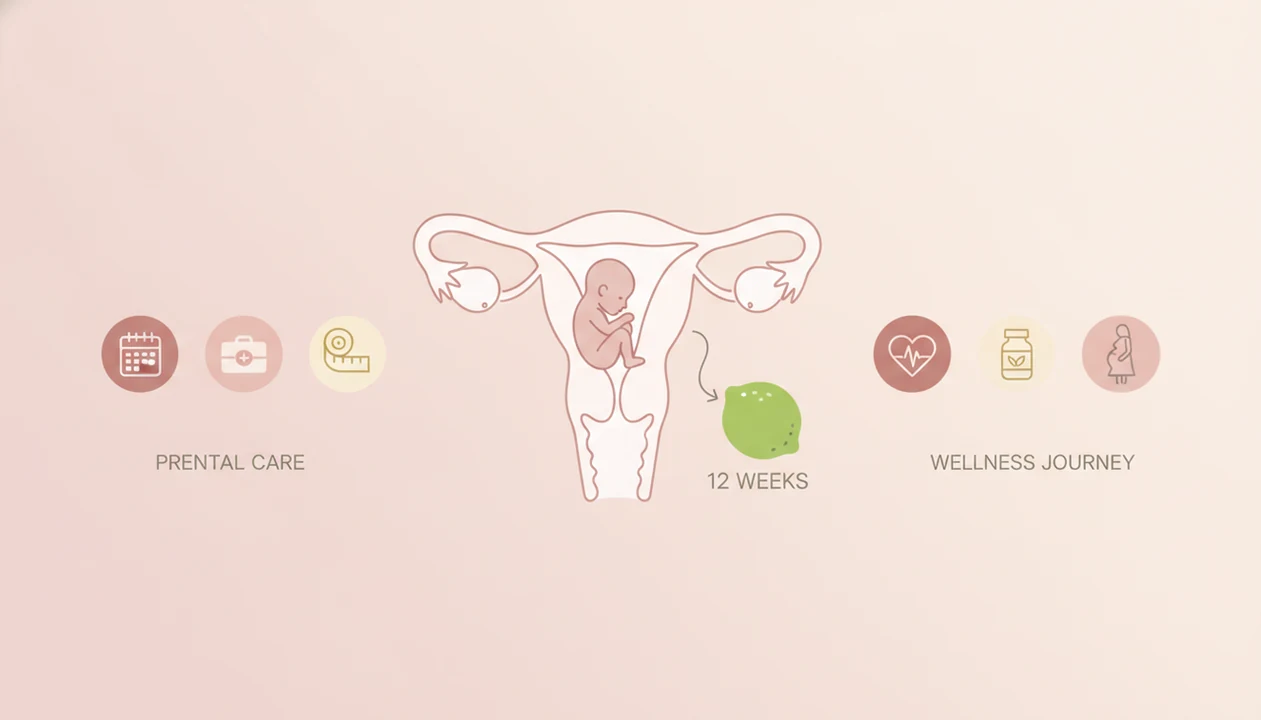
At 12 weeks pregnant, your baby is about the size of a lime, and the main takeaway is that fetal features, reflexes, and organs are maturing as you near the end of the first trimester.
- Baby size: about 2 to 2.5 inches crown to rump and around half an ounce
- Symptoms: nausea, fatigue, breast tenderness, bloating, constipation, headaches, dizziness, mood changes
- Appointments: routine prenatal visit, symptom review, blood pressure, urine testing, and possible first-trimester screening
- Ultrasound: may show fetal growth, heartbeat, movement, and nuchal translucency measurement if screening is part of your care plan
Week 12 at a Glance
| Topic | Week 12 |
|---|---|
| Baby size | About the size of a lime or small plum, roughly 2 to 2.5 inches crown to rump |
| Ultrasound | May show heartbeat, movement, and growth; some care plans include nuchal translucency screening |
| Symptoms | Nausea and fatigue may ease, while bloating, breast tenderness, headaches, and mood changes can continue |
| Appointments | Possible prenatal visit with blood pressure, weight, urine, medication review, and screening discussion |
| Key milestone | The placenta is increasingly supporting hormone production and nutrient exchange as the first trimester winds down |
TL;DR
At 12 weeks pregnant, your baby is roughly lime-sized and many major structures are now maturing rather than forming from scratch. You may be close to the end of the first trimester, with symptoms that can improve, persist, or fluctuate.
- Baby development includes facial features, fingernails, reflex movements, kidneys, digestive organs, and placental support.
- Common symptoms include nausea, fatigue, bloating, constipation, breast tenderness, headaches, dizziness, and mood shifts.
- A visit around this stage may include routine checks, ultrasound, or first-trimester screening depending on your care plan.
What Does 12 Weeks Pregnant Mean?
Being pregnant 12 weeks usually means 12 weeks have passed since the first day of your last menstrual period, which is how clinicians commonly date pregnancy. In other words, 12 weeks gestation is measured from the last menstrual period rather than the day of conception.
ACOG and NHS guidance commonly describe this stage as near the end of the first trimester, although some providers count the second trimester as starting after week 12 and others use week 14. By this point, implantation is long complete, the early gestational sac stage has passed, and care usually focuses on fetal growth, symptoms, screening options, and routine prenatal care.
How Is Baby Developing During Week 12?
During week 12, the fetus is developing more recognizable facial features, tiny fingernails, and small reflex movements, although you usually cannot feel movement yet. The kidneys can produce urine, the digestive system is practicing contractions, and the placenta is increasingly supporting hormone production and nutrient exchange.
Many clinicians describe this stage as a shift from early formation toward continued growth and maturation of the brain, spinal cord, and major organs. The heartbeat is often detectable by ultrasound and sometimes by Doppler depending on fetal position, your body, and the equipment used. If you are comparing milestones, see the full pregnancy week-by-week guide.
How Big Is Baby at 12 Weeks?
At week 12, your baby is commonly about the size of a lime or small plum, measuring roughly 2 to 2.5 inches from crown to rump and weighing around half an ounce. Size estimates are averages, and ultrasound measurements can vary slightly because fetuses grow at individual rates even in early pregnancy week 12.
Pregnancy dating is usually based on your last menstrual period, but an early ultrasound can refine the estimated due date if measurements differ. For personalized timing, you can check your dates with the due date calculator and review nearby milestones from 11 weeks pregnant to 13 weeks pregnant.
What Symptoms Are Common at Week 12?
Symptoms at week 12 commonly include nausea, food aversions, fatigue, breast tenderness, bloating, constipation, headaches, dizziness, and mood swings. Research and clinical guidance suggest symptoms can change as hormones shift, including hCG patterns, but improvement is not guaranteed and strong first-trimester symptoms can still be normal when they are not severe or sudden.
Your uterus is growing upward from the pelvis, but whether you show this week depends on body shape, abdominal muscle tone, bloating, previous pregnancies, and clothing. Light stretching, hydration, fiber-rich foods, rest, and continuing prenatal vitamins with folic acid as advised by your clinician may help support day-to-day care. It is also normal to feel excited, uncertain, and a little overwhelmed as the first trimester ends. If stress is affecting sleep, gentle pregnancy meditation may support relaxation.
What Appointments and Screening Happen Around Week 12?
A visit around week 12 may include blood pressure, weight, urine testing, symptom review, medication and supplement questions, and discussion of your health history. Depending on your OB-GYN, midwife, location, and care plan, this appointment may also include an ultrasound, blood tests, or first-trimester screening for chromosomal conditions, often combined with a nuchal translucency ultrasound.
Unlike very early scans that may mainly confirm a gestational sac after implantation, an ultrasound at this stage may show fetal growth, heartbeat, and movement. Bring questions about symptoms, exercise, nutrition, prenatal vitamins, medications, travel, and workplace exposures, and contact your clinician promptly for bleeding, severe pain, fainting, fever, persistent vomiting, or one-sided pelvic pain rather than waiting for a scheduled visit.
How Can You Plan Ahead After Week 12?
After week 12, planning often focuses on the second trimester, anatomy scan timing, maternity clothing, workplace needs, and how you want to track symptoms and questions. Many clinicians encourage using reliable pregnancy information sources and avoiding close comparisons with someone else’s bump, symptoms, or timeline.
A good pregnancy app can help you organize week-by-week updates, appointment notes, and questions for your provider. If you prefer a simple overview, the pregnancy tracker can help you follow baby development and your changing body without overloading you with information.
Limitations & Safety
This page is educational and should not replace individualized prenatal care from your OB-GYN, midwife, or other qualified clinician.
- Pregnancy dates, fetal size, symptoms, and screening schedules vary by individual and by healthcare system.
- Contact your healthcare provider urgently for heavy bleeding, severe abdominal or pelvic pain, fainting, fever, persistent vomiting, fluid leakage, or symptoms that feel concerning.
- Always ask your clinician before starting or stopping medicines, supplements, prenatal vitamins, or major exercise changes during pregnancy.
- If your ultrasound measurements or due date differ from app estimates, follow your provider’s dating and follow-up plan.
Frequently Asked Questions
How big is my baby at 12 weeks pregnant?
At week 12, the fetus is often about 2 to 2.5 inches long from crown to rump and weighs around half an ounce. Many clinicians use a lime or small plum as a simple size comparison, but exact measurements vary.
Is 12 weeks pregnant the end of the first trimester?
Week 12 is near the end of the first trimester. ACOG and NHS-style pregnancy resources commonly vary in how they define the trimester boundary, with some counting the second trimester after week 12 and others using week 14.
What symptoms are common at week 12?
Common symptoms include nausea, fatigue, breast tenderness, bloating, constipation, headaches, dizziness, and mood changes. Many clinicians note that some people start to feel better around this stage, while others continue to have strong first-trimester symptoms.
Can I feel the baby move at week 12?
Most people cannot feel fetal movement yet at this stage. The fetus can make small reflex movements, but first noticeable movements, often called quickening, are more commonly felt later in the second trimester.
What happens at a 12-week prenatal appointment?
A prenatal visit around this time may include blood pressure, weight, urine testing, symptom review, and discussion of medications, supplements, and health history. Depending on your care plan, your clinician may also offer ultrasound or first-trimester screening tests.
Should I worry if my symptoms are changing at week 12?
Changing symptoms can be normal as pregnancy hormones shift and the placenta takes on more support. Clinicians generally recommend calling promptly for severe pain, heavy bleeding, fainting, fever, persistent vomiting, fluid leakage, or any symptom that feels concerning.