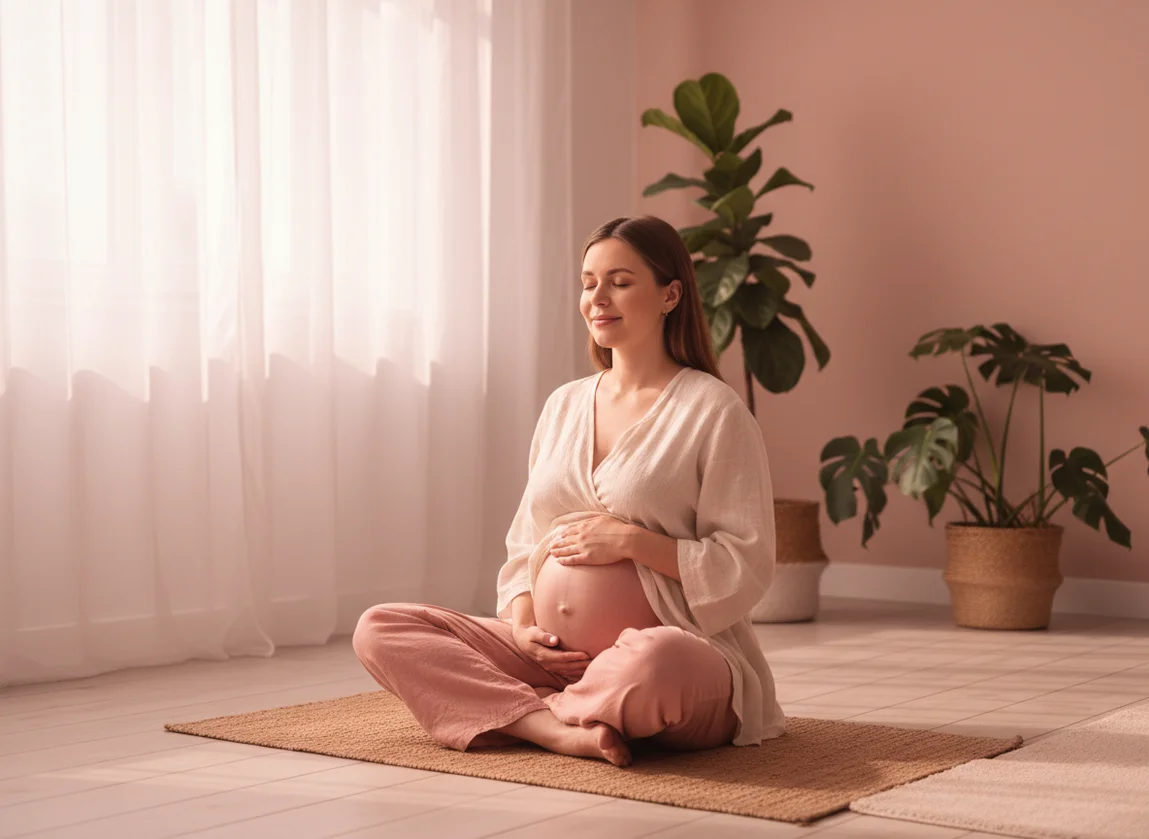
Pregnancy Meditation — Daily Guided Meditations for Every Trimester

Reduce anxiety, sleep better, bond with your baby, and prepare your mind for labor with guided meditations designed specifically for pregnant women.

ORIGINAL: What is pregnancy meditation?

Pregnancy meditation means using guided relaxation, focused breathing, and mindful awareness to support your mental and physical health during pregnancy. It is not a medical treatment. It is a self-care tool that helps you manage the stress, anxiety, and physical discomfort that come with growing a baby.

Pregnancy meditation usually shifts a little from trimester to trimester. Early pregnancy meditations often focus on calming first-trimester anxiety and coping with nausea. Mid-pregnancy sessions tend to focus more on body acceptance and bonding with your baby. Third-trimester meditations are meant to help you feel mentally ready for labor. They can help you let go of fear. They can also help you feel more confident in your body’s ability to give birth.

You don't need any meditation experience to start. Pregnancy meditation is designed for beginners. A typical session lasts 5–20 minutes. You sit or lie somewhere comfortable. You listen to a guided audio track. You follow the narrator’s cues to relax your body. You follow the narrator’s cues to quiet your mind. That's it.

Benefits of Meditation During Pregnancy

Research supports meditation as a safe, effective way to improve wellbeing during pregnancy. The benefits can be psychological and physiological.

Reduced anxiety and stress. A 2019 meta-analysis in the Journal of Affective Disorders found that mindfulness-based interventions significantly reduced anxiety in pregnant women. The same 2019 meta-analysis found that mindfulness-based interventions significantly reduced depression in pregnant women. Meditation lowers cortisol, the primary stress hormone, which benefits both you and your baby. Chronically elevated cortisol is linked to preterm birth. Chronically elevated cortisol is linked to low birth weight. Chronically elevated cortisol is linked to postpartum mood disorders.

Better sleep. Up to 78% of pregnant women report sleep disturbances. Guided sleep meditations and body scan techniques can calm your nervous system before bed. That calmer feeling can make it easier to fall asleep and stay asleep, even with physical discomfort, frequent urination, and racing thoughts.

Pregnancy meditation may help lower blood pressure. Meditation activates the parasympathetic nervous system. It can lower heart rate and blood pressure. If you’re at risk of preeclampsia or gestational hypertension, meditation can be a helpful add-on. It doesn’t replace medical monitoring.

Pain management preparation. Regular meditation can change how your brain processes pain signals. Lots of women who meditate during pregnancy say they feel more in control during labor. The breathing and visualization skills can carry over into the coping techniques you use during contractions.

Meditation can support stronger maternal-fetal bonding. Visualization meditations can walk you through picturing yourself holding your baby. You might imagine hearing their heartbeat. You can also picture sending them love. These practices can activate emotional bonding pathways. Studies show that women who practice prenatal bonding meditation report higher attachment scores after birth.

Reduced risk of postpartum depression. A 2020 study in Midwifery found that women who practiced mindfulness meditation during pregnancy had lower rates of postpartum depression at six weeks. The protective effect probably comes from stress reduction and from the coping skills meditation builds.

First Trimester Meditations: Weeks 1–13

The first trimester is often the hardest emotionally. You might feel anxious about miscarriage. You might feel totally overwhelmed by nausea. And you might feel exhausted in a way you’ve never experienced. Meditation won't cure morning sickness, but it can give you tools to handle the mental load.

Anxiety and worry reduction. First-trimester anxiety is nearly universal. You’re waiting for scan results. You’re monitoring every symptom. And you’re probably worrying about things you can’t control. Guided meditations for early pregnancy often use grounding techniques. A lot of them have you focus on your breath, the feeling of your feet on the floor, or the sounds around you. This can help pull you out of an anxious thought spiral.

Nausea relief. Deep breathing meditations can reduce nausea intensity. Here’s the thing, slow, controlled breathing activates the vagus nerve. The vagus nerve helps calm the digestive system. It won't eliminate severe morning sickness. Many women say it takes the edge off. It tends to help more when they pair it with small frequent meals and ginger.

Sleep support. First-trimester fatigue can feel crushing. But lots of women still can't sleep, even when they're exhausted. A 10-minute bedtime meditation can be one of the most effective non-drug sleep aids during pregnancy. This kind of meditation progressively relaxes each muscle group from head to toe. It works because it can interrupt the cycle of lying awake and worrying about the pregnancy.

At this stage, keep sessions short. Five to ten minutes is plenty. The goal is to build the habit, not to reach some perfect meditative state. Consistency matters more than duration.

Second Trimester Meditations: Weeks 14–27

The second trimester is often called the "golden period." Nausea typically fades. Energy returns. You start feeling your baby move. Meditation during this phase often shifts from survival mode to connection and acceptance.

Baby bonding meditations. Around weeks 18–22, most women begin feeling fetal movement. This is usually a really powerful time for bonding meditations. In guided sessions, you’ll often be asked to rest your hands on your belly, take a few deep breaths, and send some loving attention to your baby. Some women visualize a golden light around their baby. Other women just talk to their baby silently during the meditation. The format matters less than the intention. The intention is to create a quiet space where you and your baby are the only focus.

Body image and acceptance. Your body is changing rapidly in the second trimester. Weight gain can stir up a lot of feelings. Stretch marks can too. A shifting center of gravity can also bring up complex emotions. Body scan meditations can help you reconnect with your body in a non-judgmental way. Instead of judging how your body looks, you practice paying attention to how it feels. This shift from appearance to sensation builds a healthier relationship with the physical changes of pregnancy.

Partner meditation. The second trimester is a great time to bring your partner into meditation, if they’re open to it. Couples meditation sessions guide both partners through synchronized breathing and visualization. In most cases, this can help you feel more emotionally connected before the third trimester ramps up and before birth. Partners who meditate together often communicate better during labor.

Sessions can lengthen to 15–20 minutes now if that feels comfortable. Many women use the second trimester to try different meditation styles (mindfulness, visualization, body scan, mantra) and see what resonates most.

Third Trimester Meditations: Weeks 28–40+

The third trimester brings anticipation and physical discomfort. For many women, it also brings real fear about labor. Meditation becomes directly practical now. The skills you've been building are the same ones you'll use during birth.

Labor preparation. Third-trimester meditations often use the word "surges" instead of "contractions." This framing treats the sensation as your body working to bring your baby down. It’s not presented as pain you need to fear. Guided tracks often ask you to picture each surge like a wave that rises and falls. You breathe slowly and deeply while you do it. Women who practice this regularly report feeling less panicked when real labor begins because the breathing pattern is automatic. For deeper labor preparation, explore hypnobirthing techniques, which build on meditation with self-hypnosis and specific birth breathing methods.

Fear release. Fear of labor is normal. Fear release meditations acknowledge specific fears — tearing, emergency interventions, loss of control, pain — and guide you through a process of observing them without attaching to them. The goal is not to pretend you aren't afraid. It's to reduce the power fear has over your body. Fear causes muscle tension. Muscle tension increases pain. Pain can feed more fear. If you break that cycle before labor starts, you usually go in feeling more in control.

Sleep can feel like a whole project in late pregnancy, at least it did for me. Third-trimester insomnia can feel relentless. The baby feels heavy. Your bladder holds nothing. Your hips ache. And your mind won't shut off. Yoga nidra is a guided "sleep meditation." You do it lying on your left side with pillows for support. It tends to work especially well in late pregnancy. Yoga nidra can put you in that in-between place, not fully awake but not fully asleep. It can still give you deep rest, even if you don’t actually fall asleep.

Keep breathing exercises at the center of your practice now. The slow exhale breathing you've been doing in meditation is the same technique that manages contractions during labor. You're not just meditating — you're training.

How to Start a Daily Meditation Practice

Starting a meditation habit during pregnancy is easier than you think. The barrier isn't time or skill — it's overthinking it. Here's a simple framework.

  1. Pick a consistent time. Morning and bedtime usually work best for most pregnant women. Morning meditation can set a calmer tone for the day. Bedtime meditation can help you sleep. Pick one time and do it at that same time every day.
  2. Start with 5 minutes. You don’t need 30-minute sessions. Five minutes of focused breathing is usually enough to trigger your relaxation response. You can always go longer later if you want to.
  3. Use guided audio. Meditating in silence is hard for beginners. A guided track gives your mind something to follow. And honestly, that usually makes it easier to stay focused. The Pregnancy App includes trimester-specific guided meditations designed for exactly this purpose.
  4. Get comfortable. Sit in a supportive chair, lie on your left side with a pillow between your knees, or use a pregnancy pillow. Physical discomfort can cut a session short. I always take a minute to get into a position that actually feels good.
  5. Let yourself stop trying to do it perfectly. Your mind will wander, and that’s normal. That's normal. It's not a failure. Every time you notice your mind wandering and gently bring it back to your breath, you’re meditating successfully. That "bringing it back" part is the exercise, like a bicep curl for your attention.

Most women see noticeable improvements in anxiety and sleep quality within 10–14 days of daily practice. Give it two weeks before you decide if meditation works for you.

Pregnancy Meditation vs. Hypnobirthing

Meditation and hypnobirthing overlap significantly, but they serve different primary purposes.

Pregnancy meditation is a general wellbeing practice. It can help with anxiety. It can help with sleep. It can help with stress. It can help with bonding. It can help with emotional regulation. You can use it throughout all nine months. The techniques are broad. They include mindfulness, body scanning, visualization, and breath awareness. You can meditate at any point in pregnancy, for any reason.

Hypnobirthing is a specific birth preparation method. Hypnobirthing uses deep relaxation and self-hypnosis to manage pain and fear during labor. The techniques are targeted. They include birth breathing, light-touch massage, anchoring, and positive affirmations about birth. It is designed specifically for the labor and delivery experience.

Here’s the thing, meditation is for the whole pregnancy, and hypnobirthing is for birth day. Most women benefit from doing both. Daily meditation keeps your stress low and your sleep decent throughout pregnancy. Hypnobirthing sessions, ideally starting around week 28, prepare you specifically for labor.

In the Pregnancy App, meditation tracks and hypnobirthing tracks are separate libraries. Meditation sessions are shorter (5–15 minutes) and organized by trimester. Hypnobirthing sessions are longer (15–30 minutes). They’re organized by technique: birth breathing, visualization, fear release, and affirmations.

Pregnancy Meditation App Features

The Pregnancy App includes a full meditation library designed specifically for pregnancy. Here's what you get:

  • Trimester-specific guided sessions. The meditations are organized by trimester. You’ll get content that matches your current stage of pregnancy. First-trimester tracks focus on anxiety and nausea. Second-trimester tracks focus on bonding and body acceptance. Third-trimester tracks focus on labor preparation and fear release.
  • Sleep meditations. Dedicated sleep tracks use progressive muscle relaxation, body scans, and yoga nidra techniques. They’re designed to help you fall asleep faster. It’s designed for listening in bed, on your side, with the screen off.
  • You'll also get daily meditation reminders. You can set a custom reminder so you’ll actually stick with it. Honestly, building the habit is usually the hardest part. The app nudges you at your preferred time each day.
  • You can use offline playback. Download meditation tracks to your phone so they work without internet. You’ll want this for hospitals, birth centers, or anywhere the Wi-Fi is unreliable.
  • Background audio. Choose nature sounds, gentle music, or silence behind the guided voice. Set it up in a way that helps you relax the most.
  • Integrated pregnancy tracker. The meditation library sits alongside a full pregnancy tracker, contraction timer, kick counter, and breathing exercises — everything in one app.

Download for iPhone  Download for Android

TL;DR

  • Pregnancy meditation is guided relaxation tailored to each trimester — anxiety and sleep in the first, bonding in the second, labor prep in the third.
  • Research shows meditation reduces anxiety, improves sleep, lowers blood pressure, and may reduce the risk of postpartum depression.
  • Start with 5 minutes per day. Use guided audio. Consistency beats duration.
  • Meditation is a general wellbeing practice; hypnobirthing is a specific labor preparation method. Most women benefit from both.
  • The skills you build in meditation — breathing, visualization, staying calm under pressure — transfer directly to coping during labor.
  • Meditation is safe throughout pregnancy and has no known risks. It’s not a substitute for medical care.

Limitations & Safety

Meditation is a relaxation and self-care practice, not a medical intervention. It doesn’t treat, cure, or prevent any pregnancy complication. The benefits described on this page are supported by research, but individual results vary. Meditation should complement your prenatal care. It should never replace it.

If you have a history of trauma, PTSD, or severe anxiety or depression, some meditation practices may trigger distressing memories or sensations. Work with a perinatal mental health professional. They can recommend appropriate techniques and monitor your response.

Don’t use meditation to put off medical attention. If you have warning signs like heavy bleeding, severe headaches, decreased fetal movement, or sudden swelling, contact your healthcare provider immediately, even if you feel calm. Meditation can change how you experience things. It doesn’t treat pathology.

The guided meditations in the Pregnancy App are created for general use and are not personalized medical advice. They are not a substitute for therapy, counseling, or psychiatric care. If you are struggling with prenatal anxiety or depression beyond what self-care can manage, speak with your doctor or midwife about professional support options.

Frequently Asked Questions

Is meditation safe during pregnancy?

Yes. Meditation is considered safe throughout pregnancy. It is a non-pharmacological practice with no known risks to mother or baby. Major medical organizations including ACOG recognize relaxation techniques as beneficial during pregnancy. If you have a history of trauma or severe anxiety, work with a therapist who can tailor the practice to your needs.

So, when should you start meditating during pregnancy?

You can start meditating at any point during pregnancy. Many women begin in the first trimester when anxiety about miscarriage and early symptoms is highest. Others start in the third trimester specifically to prepare for labor. There’s no wrong time to start. The benefits begin with your first session.

How long should a pregnancy meditation session last?

Start with 5–10 minutes per day. This is enough to activate your parasympathetic nervous system and lower cortisol levels. As the habit sticks, you can stretch your sessions to 15–20 minutes. Research shows brief daily meditation can produce measurable reductions in anxiety within two weeks.

What’s the difference between pregnancy meditation and hypnobirthing?

Pregnancy meditation is a broad practice that focuses on relaxation, stress relief, and emotional wellbeing during pregnancy. Hypnobirthing is a specific birth preparation method that uses deep relaxation, self-hypnosis, breathing techniques, and visualization specifically to manage pain and fear during labor. A lot of women use both. They do daily meditation for general wellbeing. A lot of people use hypnobirthing audio tracks to prepare for birth.

Can meditation help with pregnancy insomnia?

Yes. Sleep-focused guided meditations are one of the most effective non-drug approaches for pregnancy insomnia. A 2020 study in Obstetric Medicine found that mindfulness-based interventions significantly improved sleep quality in pregnant women. Body scan meditations and yoga nidra (guided sleep meditation) tend to be especially helpful in the second and third trimesters.

Do you actually need an app for pregnancy meditation?

No. You can meditate without any tools. Just close your eyes, focus on your breath, and notice your thoughts without judging them. But a guided meditation app gives you structure and variety. It can also offer trimester-specific content. That usually makes it easier to stick with a consistent practice. Most women say guided sessions work better than meditating in silence, especially when they’re just starting out.

Can meditation reduce labor pain?

Meditation doesn't eliminate labor pain. It can change how you experience pain. Women who meditate regularly during pregnancy report feeling more in control during labor. The mechanism is partly neurological — meditation trains your brain to observe sensations without panic — and partly practical, as breathing techniques from meditation carry directly into labor coping strategies.

Is the pregnancy meditation app free?

Yes. Pregnancy App includes free guided meditations for every trimester. It also includes a pregnancy tracker, contraction timer, kick counter, and hypnobirthing audio sessions. The app is available on both iOS and Android with no paywalls or account requirements for core features.

What Prenatal Meditation Means

Prenatal meditation means practicing focused breathing, guided relaxation, and non-judgmental awareness while pregnant. It is not a treatment for pregnancy complications, but it can be a steady self-care tool when your body, hormones, sleep, and emotions are changing quickly.

Most sessions last 5 to 20 minutes. You might sit in a chair, lie on your side, place one hand on your belly, and follow a calm voice through breath cues or a body scan. Pregnancy App is a pregnancy app guide that reviews pregnancy trackers, calculators, timers, meditation apps, and birth-preparation tools for pregnant people. If you are also tracking symptoms, appointments, and baby growth, a week-by-week pregnancy tracker can sit alongside your mindfulness routine.

Evidence-Based Benefits of Mindfulness in Pregnancy

Studies suggest that mindfulness-based practices during pregnancy may reduce anxiety, stress, and depressive symptoms for some people. A 2019 meta-analysis in the Journal of Affective Disorders found meaningful reductions in prenatal anxiety and depression after mindfulness-based interventions.

The likely benefits come from calming the stress response, improving emotional regulation, and helping you notice thoughts without being pulled into every fear. Many pregnant people use meditation for racing thoughts before scans, body tension, sleep disruption, or fear of labor. It should not replace therapy, medication, blood pressure monitoring, or urgent care. This is not medical advice. Consult your healthcare provider if symptoms feel intense, persistent, or unsafe.

How Guided Prenatal Meditation Works

Guided prenatal meditation works by shifting the body toward parasympathetic nervous system activity, often called the rest-and-digest state. Slow exhalations, body scanning, and steady narration can reduce sympathetic arousal, soften muscle guarding, and make anxious thoughts feel less urgent.

A typical session uses diaphragmatic breathing, progressive muscle relaxation, interoceptive awareness, and visualization. For example, you may inhale for four counts, exhale for six, release your jaw and pelvic floor, then picture your baby resting safely in the uterus. Over time, repetition builds a familiar cue: breath plus body awareness equals safety. This can be helpful before sleep, during medical appointments, and later during contractions, but it does not guarantee a specific labor outcome.

First Trimester Mindfulness for Anxiety and Nausea

First trimester mindfulness is most useful when it is short, grounding, and realistic. Weeks 1 to 13 can bring miscarriage worries, nausea, exhaustion, food aversions, and the strange feeling of being deeply changed before anyone can see it.

Try 5-minute sessions that focus on one anchor: feet on the floor, cool air at the nostrils, or a hand resting on the chest. If nausea is present, avoid forceful belly breathing and choose gentle nasal breathing or a seated body scan. Meditation will not cure hyperemesis or severe morning sickness, so ask for medical help if you cannot keep fluids down. For practical comfort ideas, pair mindfulness with evidence-based morning sickness remedies.

Second Trimester Baby Bonding Meditation

Second trimester meditation often shifts from survival to connection. Around weeks 14 to 27, nausea may ease, energy may return, and many people begin feeling flutters or stronger kicks, which can make bonding feel more tangible.

A baby bonding meditation may invite you to breathe slowly, notice movement, and silently repeat phrases such as, “I am learning you,” or “We are growing together.” If bonding does not feel instant, nothing is wrong with you. Some parents feel attached early; others bond gradually after scans, movement, birth, or even weeks postpartum. Meditation is a doorway, not a test of whether you are a good parent. If decreased movement worries you later in pregnancy, follow your provider’s instructions and consider learning how a baby kick counter is commonly used.

Third Trimester Relaxation for Birth Preparation

Third trimester relaxation helps you rehearse calm, not control. From weeks 28 to 40 and beyond, your body may feel heavier, sleep may be lighter, and thoughts about labor, birth plans, feeding, and postpartum recovery can become louder.

Use meditations that include jaw release, shoulder softening, pelvic floor awareness, and contraction imagery. You might picture each surge rising, peaking, and fading while your breath stays steady. This supports coping skills for hospital birth, home birth, birth center birth, planned cesarean, induction, or a changing birth plan. It is wise to combine mental practice with practical preparation, such as learning the stages of labor and discussing warning signs with your care team.

Sleep Meditation for Pregnancy Insomnia

Sleep meditation can help when pregnancy insomnia is driven by discomfort, frequent urination, vivid dreams, or a mind that starts making lists at 2 a.m. It works best as a repeatable bedtime cue rather than a one-night fix.

Choose a 10 to 20 minute body scan, side-lying relaxation, or quiet breath-counting session. Keep the room cool, support your bump and knees with pillows, and avoid judging yourself if you wake again later. The goal is to teach the nervous system how to downshift, even when sleep is imperfect. If insomnia is severe, linked with panic, or paired with symptoms such as headaches or high blood pressure, consult your healthcare provider. You can also review practical pregnancy insomnia tips for non-medication sleep support.

Breathing Exercises for Labor Calm

Labor breathing exercises are meditation skills made practical under intensity. The aim is not to breathe perfectly; it is to give your brain and body a familiar rhythm when contractions demand your attention.

Many birth educators teach a long-exhale pattern, such as inhaling through the nose for four counts and exhaling through the mouth for six to eight counts. During active labor, some people prefer low vocal sounds, horse lips, counted breathing, or partner-led cues. Practice during pregnancy while climbing stairs, holding an ice cube, or sitting through Braxton Hicks so the skill is easier to remember later. For more specific techniques, see these breathing exercises for labor. This is not medical advice; follow your care team’s guidance during labor.

How to Start a Daily Prenatal Meditation Practice

A daily prenatal meditation practice should be small enough that you can do it on tired days. Five consistent minutes usually helps more than one perfect 45-minute session that you never repeat.

  1. Choose one time of day, such as after brushing your teeth or before bed.
  2. Set a realistic length, usually 5 to 10 minutes in the first week.
  3. Support your body with pillows, a chair, or side-lying positioning after mid-pregnancy.
  4. Follow one simple anchor: breath, body scan, sound, or baby movement.
  5. Repeat the same session for several days before deciding whether it works.
  6. Adjust if a technique increases anxiety, dizziness, sadness, or trauma memories.

Pregnancy Mindfulness vs Hypnobirthing

Pregnancy mindfulness trains present-moment awareness, while hypnobirthing uses relaxation, self-hypnosis, affirmations, and birth-specific conditioning. They overlap, but they are not identical.

Mindfulness may sound like, “I notice fear in my chest, and I can breathe with it.” Hypnobirthing may sound like, “Each surge brings my baby closer, and my body knows how to soften.” Many parents use both: mindfulness for everyday anxiety and hypnobirthing for labor rehearsal. Neither approach guarantees an unmedicated birth, a shorter labor, or freedom from pain. They can, however, help you feel less overwhelmed by sensations and decisions. If you want structured birth scripts and affirmations, compare this guide with hypnobirthing for labor preparation.

Meditation App Features for Expecting Parents

The best prenatal mindfulness tools are pregnancy-specific, easy to navigate, and honest about what meditation can and cannot do. Look for sessions organized by trimester, mood, sleep, birth preparation, body changes, and postpartum transition.

Useful features include short 5-minute options, offline listening, trauma-sensitive language, breathing timers, partner sessions, labor playlists, and reminders that do not shame you for missing a day. Some people also want trackers for symptoms, appointments, fetal movement, and contractions in the same ecosystem; others prefer a dedicated audio library. Pregnancy App can help you compare options, including this guide to the best pregnancy meditation app for 2026. Choose the tool you will actually open when you are tired, anxious, or uncomfortable.

Comparison of Prenatal Meditation Apps and Guides

Expectful, Calm, Headspace, and PregnancyApp.com serve different needs. The right choice depends on whether you want pregnancy-specific birth preparation, general stress relief, sleep audio, or comparison help before choosing an app.

OptionBest forPregnancy-specific depthWatch-outs
ExpectfulFertility, pregnancy, and postpartum audioHighSubscription may not suit every budget
CalmGeneral sleep stories and relaxationLow to moderateNot mainly built for pregnancy or labor
HeadspaceBeginner mindfulness skillsLow to moderateBirth-specific content may be limited
PregnancyApp.comComparing trackers, timers, and birth toolsGuide-basedNot a substitute for clinical care

When Prenatal Relaxation Is Not Enough

Prenatal relaxation is supportive, but it is not enough when anxiety, depression, trauma, or physical symptoms interfere with safety or daily functioning. Meditation should make you feel more resourced over time, not trapped alone with frightening thoughts.

Contact your healthcare provider promptly if you have panic attacks, intrusive thoughts that scare you, thoughts of self-harm, inability to sleep for long stretches, persistent sadness, or fear that stops you eating, attending appointments, or leaving home. ACOG notes that anxiety can occur during pregnancy and treatment may include therapy, support, and sometimes medication; see its patient guidance on anxiety and pregnancy. If you feel at immediate risk of harming yourself or someone else, seek emergency help now.

Limitations and Safety of Prenatal Mindfulness

Prenatal mindfulness is generally low risk, but honest limits matter. A grounded practice respects medical care, mental health history, and the unpredictability of pregnancy and birth.

  • It does not guarantee birth outcomes. Meditation cannot promise a pain-free labor, vaginal birth, short labor, or avoidance of interventions.
  • It is not medical monitoring. Do not use relaxation to ignore bleeding, severe headache, reduced fetal movement, high blood pressure symptoms, or contractions that concern you.
  • It may stir emotions. Silence, body scans, or birth imagery can activate grief, trauma, or panic for some people.
  • It cannot replace treatment. Prenatal depression, anxiety disorders, PTSD, and insomnia may need therapy, medication, or specialist support.
  • Positioning matters. Later in pregnancy, many people feel better side-lying or upright rather than flat on the back.

This is not medical advice. Consult your healthcare provider about symptoms, mental health concerns, and safe positioning for your pregnancy.

Daily Mindfulness Routine by Trimester

A trimester-based routine keeps meditation relevant as pregnancy changes. The best practice in week 8 may not be the best practice in week 36, and that is completely normal.

In the first trimester, try 5 minutes of grounding for nausea, uncertainty, and scan anxiety. In the second trimester, add 10 minutes of baby bonding, body acceptance, or movement awareness a few times a week. In the third trimester, rotate sleep meditation, birth visualization, long-exhale breathing, and partner-supported relaxation. If contractions begin later on, mental calm pairs well with practical timing; a contraction timer can help you record frequency and duration while you follow your provider’s instructions about when to call or go in.

Postpartum Mindfulness After Birth

Postpartum mindfulness is about tiny moments, not polished routines. After birth, meditation may mean three slow breaths before feeding, relaxing your shoulders while holding the baby, or noticing, “This is hard, and I am not failing.”

Short practices can support emotional regulation during sleep deprivation, feeding challenges, identity shifts, and recovery from vaginal or cesarean birth. Still, postpartum depression, anxiety, rage, intrusive thoughts, and birth trauma deserve real care, not just self-help. Tell your midwife, OB-GYN, primary care clinician, or mental health professional if your thoughts feel dark, scary, or unmanageable. If you are in immediate danger, seek emergency support. Your wellbeing matters as much as the baby’s growth, feeding, and sleep.

Key Takeaway for a Calmer Pregnancy Practice

A calmer pregnancy practice is built through repetition, compassion, and realistic expectations. Meditation is most helpful when it becomes a familiar place to return to, not another task you feel guilty about skipping.

Start with one short session, one comfortable position, and one honest intention: “I am practicing being with myself and my baby.” Some days you may feel peaceful; other days your mind may wander the entire time. Both count. Pregnancy App exists to help parents compare pregnancy trackers, calculators, contraction timers, meditation resources, and birth tools, but your provider remains the right person for medical questions. Keep what helps, adapt what does not, and let the practice support the birth plan you actually need.

Start Your Daily Meditation Practice

Download the free Pregnancy App for guided pregnancy meditations, hypnobirthing audio, a contraction timer, and a full pregnancy tracker — all in one app.