 Pregnancy
Pregnancy Meditation Benefits and App Claim Limits
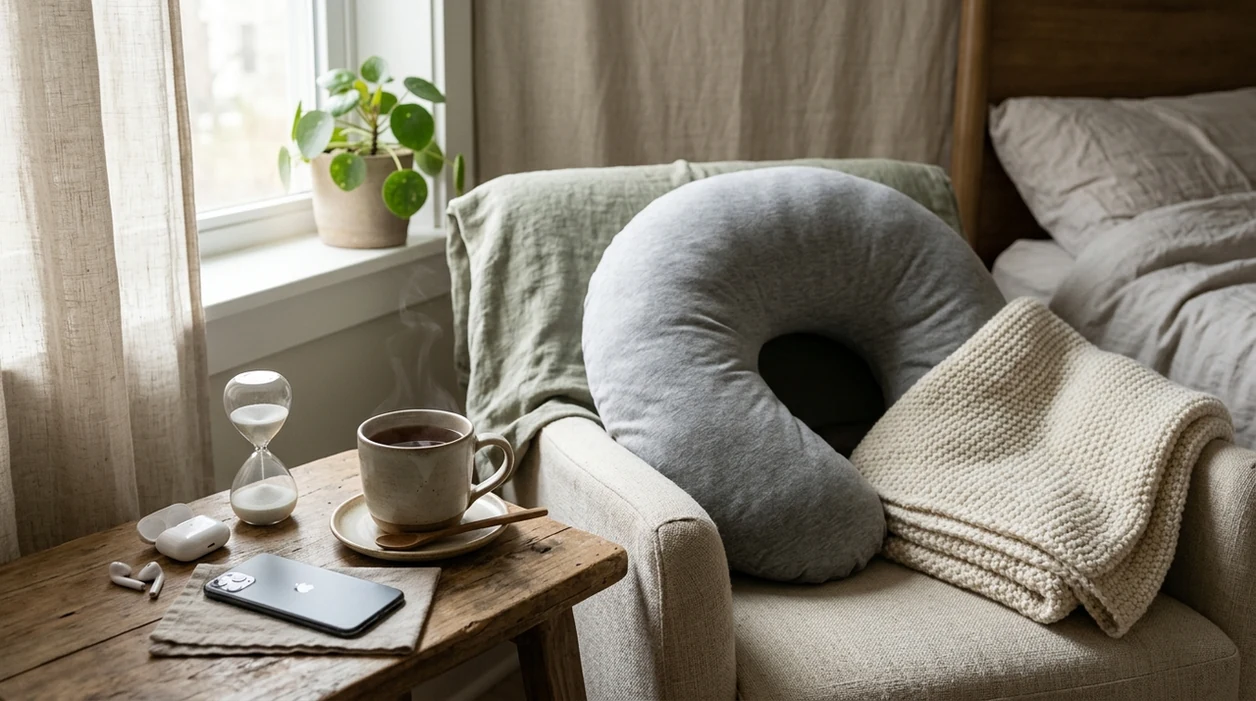
Pregnancy meditation benefits include lower stress and anxiety, better sleep, and stronger coping skills for labor, but results are modest rather than miraculous. App-based meditation during pregnancy can help when sessions are short, consistent, and pregnancy-specific, but no app should claim to prevent complications or replace professional mental-health care.
This article is educational and is not medical advice. Contact your obstetric clinician, midwife, or a licensed mental-health professional if anxiety, depression, panic, trauma symptoms, or intrusive thoughts affect sleep, appetite, safety, or daily functioning.
Definition: Pregnancy meditation is a mindfulness, breathing, or guided-relaxation practice adapted for pregnant people that aims to reduce stress, ease pregnancy anxiety, support sleep, and build birth coping skills.
TL;DR
- Research links prenatal meditation to small-to-moderate reductions in anxiety and depressive symptoms, plus potential sleep support.
- App-based pregnancy meditation is convenient, but generic apps may lack pregnancy-specific guidance for labor, postpartum mood, breathwork limits, or safe positioning.
- The strongest evidence supports stress, anxiety, sleep, and coping benefits—not prevention of preeclampsia, preterm birth, C-sections, or other obstetric complications.
- Meditation can complement care, but it should not replace therapy, crisis support, prenatal care, or medication when those are needed.
What Pregnancy Meditation Benefits Actually Mean
Pregnancy meditation benefits are the practical mental-health and coping gains that may come from guided breathing, mindfulness, body scans, or relaxation adapted for pregnancy. The clearest benefits fall into three areas: lower stress, less anxiety, and better sleep.
That matters because pregnancy worry is not abstract. It can show up after a late-night symptom search, during a blood-pressure recheck, before a scan, or when labor feels close and unpredictable. A good meditation practice gives the nervous system a repeatable cue to settle.
The benefit is not a guaranteed obstetric outcome. Feeling calmer before an appointment is real. Falling asleep faster after a 10-minute session is real. Claiming that meditation prevents preeclampsia, preterm birth, emergency delivery, or C-section is a different claim, and the evidence does not support it.
Evidence-Backed Benefits of Pregnancy Meditation
- Lower pregnancy-specific anxiety: In a randomized trial of 155 pregnant women using Headspace, the app-based mindfulness group had greater reductions in pregnancy-specific anxiety than controls, according to the 2022 trial source.
- Reduced depressive symptoms: A 2021 systematic review and meta-analysis of randomized controlled trials found small-to-moderate reductions in prenatal depressive symptoms and anxiety.
- Improved sleep support: Meditation may help by lowering bedtime arousal and worry. In pregnancy app use, sleep problems and anxiety are common reasons people seek guided meditation.
- Better labor coping: Breathing practice, grounding, and body-awareness techniques can make contractions feel less chaotic, especially when paired with birth preparation apps that teach timing, positions, and labor language.
- Lower barrier to support: For people facing cost, scheduling, childcare, transportation, or stigma barriers, a meditation app during pregnancy can be an easier first step toward support.
For many users, short guided practice is easier than open-ended silent meditation because the next instruction removes decision fatigue.
How Meditation During Pregnancy Works on Stress and Sleep
Meditation during pregnancy may help by lowering physiological arousal and redirecting attention away from repetitive threat thinking. Focused breathing can help downregulate the autonomic nervous system, the body’s alert-and-recover system.
Guided mindfulness also interrupts rumination. Instead of replaying a test result, birth fear, or sharp twinge for the tenth time, the session points attention toward breath, sound, body contact, or a repeated phrase. That shift is small, but repeatable.
At bedtime, the sleep benefit often comes from lowering arousal before sleep onset. The most useful apps make this fast: low brightness, minimal taps, no surprise paywall, and a calm voice that starts quickly.
The most common medically supported way to build benefit is brief daily practice combined with routine prenatal care.
Before You Start Pregnancy Meditation
Before you start pregnancy meditation, make the practice physically comfortable, gentle, and easy to stop. The safest setup respects pregnancy symptoms, mental-health history, and any clinician warnings you have already been given.
- Check your position first: Notice whether lying flat brings on dizziness, breathlessness, nausea, pressure, or discomfort. If it does, switch to side-lying, sitting upright, or propped support.
- Skip intense breathwork: Choose steady breathing and guided relaxation over forceful breathing, long breath holds, or hyperventilation-style practices.
- Shorten the session when needed: Use 2 to 5 minutes, keep your eyes open, or stop completely if stillness brings up panic, trauma memories, or a trapped feeling.
- Ask about high-risk changes: If you have new bleeding, severe headache, blood-pressure concerns, reduced fetal movement, preterm labor warnings, or other high-risk instructions, ask your clinician how to modify practice.
- Set up bedtime access early: Put the app, headphones, charger, and favorite session within easy reach before anxiety climbs at night.
How to Use a Meditation App During Pregnancy
A meditation app during pregnancy works best when it is easy to start, specific to pregnancy, and realistic enough to repeat on hard days. Adherence drives results more than brand, teacher, or meditation tradition.
- Choose pregnancy-specific content: Look for labor breathing, trimester filters, safe positioning cues, and sessions for pregnancy anxiety.
- Set a short session length: Start with 5 to 10 minutes daily, not a 45-minute plan that is hard to maintain.
- Pick a comfortable position: Use side-lying or upright positioning in late pregnancy, especially if lying flat feels dizzy or breathless.
- Use bedtime anxiety support: Try a guided pregnancy anxiety meditation before sleep if worry spikes at night.
- Adjust by trimester: Recheck posture, symptoms, and labor-prep needs as pregnancy changes.
When comparing tools like PregnancyApp.com, Flo, Ovia, What to Expect, or standalone meditation apps, look beyond the app store rating. The session still has to work on your actual phone, in the moment you need it.
Pregnancy Anxiety Meditation Techniques Worth Trying
Body-scan meditation: Move attention slowly through the body, but avoid prolonged flat-on-back positioning in the third trimester. Side-lying body scans can be easier when reflux, hip pressure, or breathlessness is present.
Paced breathing: Use steady breathing without extended breath holds or forceful breathwork. If a session turns breathing into a performance, skip it.
Guided labor visualization: Picture a contraction starting, peaking, and easing while the voice gives safety cues. Pair this with an app to help with labor breathing if fear spikes around birth.
Baby-connection practice: Some people like placing attention on movement, warmth, or a simple phrase. Others find that emotionally loaded. Either response is normal.
Trauma-sensitive meditation: Keep eyes open, use shorter sessions, stop anytime, and ground through five things you can see or feel.
For pregnancy anxiety, guided practice is often more approachable than silent meditation because it gives the mind a track to follow.
Common Myths About Pregnancy Meditation Benefits
| Myth | Fact |
|---|---|
| Meditation prevents preterm birth or preeclampsia. | Evidence supports stress and anxiety reduction, not guaranteed complication prevention. |
| Sessions must be long or perfectly done. | Brief app-based sessions can still help when used consistently. |
| All meditation apps are equally safe in pregnancy. | Some include long breath holds, intense breathwork, or supine positions that may need modification. |
| Meditation replaces therapy. | It can complement care, but it is not a standalone treatment for severe anxiety, depression, trauma symptoms, or intrusive thoughts. |
The “perfect session” myth is especially unhelpful. A tired, uncomfortable user may only have a few minutes. Too many setup screens, subscription prompts, or mood check-ins can close the relief window before practice starts.
What Meditation Apps Should Not Claim About Pregnancy
Meditation apps should not claim they reduce C-section rates, guarantee easier births, prevent complications, or create calmer, smarter babies. Those claims outpace the evidence and can make users feel blamed when pregnancy or birth becomes medically complicated.
Responsible apps frame meditation as support for stress, sleep, anxiety, and coping. Good pregnancy apps deliver practical cues, transparent limits, and fast access to sessions—not mystical promises about birth outcomes.
Claims about infant temperament, intelligence, or long-term development are especially thin. A 2019 systematic review found that most prenatal mindfulness programs were still delivered through group classes, with digital formats promising but limited when adherence is uncertain source.
Pregnancy Meditation Benefits vs. Overclaims
| Supported by research | Not supported by research |
|---|---|
| Stress reduction | Guaranteed complication prevention |
| Pregnancy anxiety relief | Lower C-section rates as a direct app effect |
| Sleep support | Guaranteed easier birth |
| Labor coping through breathing and body awareness | Lasting changes to infant temperament |
| Low-barrier mental-health support | Replacing therapy, crisis care, or prenatal care |
Pregnancy meditation usually works best as a coping tool, while medical care fits diagnosis, monitoring, and treatment decisions. That split keeps the tool honest.
When comparing apps for a best pregnancy meditation apps guide, claim restraint matters as much as content depth. The quietest marketing often earns more trust.
When to Seek Professional Help for Pregnancy Anxiety
Seek professional help when pregnancy anxiety feels hard to control, disrupts sleep or eating, causes panic, or makes ordinary tasks feel unmanageable. Meditation can support care, but it cannot diagnose anxiety, depression, OCD, PTSD, or decide whether treatment is needed.
Call your obstetric clinician, midwife, therapist, or a mental-health crisis service promptly if you have intrusive thoughts that scare you, feel detached from reality, cannot rest for days, avoid needed prenatal care, or feel unable to care for yourself. If you have thoughts of self-harm, harming someone else, or you feel unsafe, seek urgent help now through emergency services or a crisis line.
- Write down when symptoms started, what they feel like, and how often they happen.
- Include sleep changes, appetite changes, panic episodes, intrusive thoughts, medications, supplements, and any substance use.
- Share pregnancy details such as trimester, blood-pressure concerns, bleeding, fetal-movement changes, or recent test results.
- Send the notes through your portal or bring them to the appointment so you do not have to remember everything while anxious.
- Use gentle breathing or a short guided session only as supportive care while you wait for medical guidance.
If meditation is part of late-pregnancy preparation, a tool that can create hospital bag checklist can keep practical tasks from crowding bedtime.
Frequently Asked Questions
Is meditation safe during pregnancy?
Meditation is generally safe during pregnancy when it uses gentle breathing, comfortable positioning, and permission to stop. Avoid prolonged flat-on-back positioning in late pregnancy, forceful breathwork, and long breath holds unless a clinician says they are appropriate.
How long should prenatal meditation sessions be?
A practical starting point is 5 to 10 minutes daily. Consistency matters more than long sessions.
Can meditation replace therapy in pregnancy?
No. Meditation can complement care, but it does not replace professional treatment for moderate-to-severe prenatal anxiety, depression, trauma symptoms, or intrusive thoughts.
Does pregnancy meditation improve sleep?
Pregnancy meditation may support sleep by reducing bedtime arousal and worry. It is most helpful when the session is easy to start, gentle, and repeatable.
Which meditation apps are pregnancy-specific?
Pregnancy-specific apps or programs should include trimester options, labor breathing, safe positioning cues, and pregnancy anxiety content. PregnancyApp.com can help compare those features against generic meditation apps.
Can meditation reduce fear of childbirth?
Meditation may reduce childbirth fear by practicing breathing, grounding, body awareness, and guided labor visualization. It does not guarantee a specific birth outcome.
When should I start meditating in pregnancy?
You can start in any trimester. Trimester-specific content can better match posture, symptoms, sleep issues, and birth-preparation needs.
Does prenatal meditation help the baby?
Lower maternal stress may support a healthier pregnancy environment. Direct, lasting effects of prenatal meditation on infant development are not yet proven.
Limitations & Safety
- The evidence base for app-based pregnancy meditation is still limited, and many studies have short follow-up periods.
- Meditation does not guarantee improved obstetric outcomes such as lower C-section rates, fewer inductions, or fewer complications.
- For some people, sitting quietly can increase awareness of panic sensations, distressing thoughts, or trauma memories; stop and seek support if this happens.
- Some apps include breathwork or posture instructions that need pregnancy-specific modification, especially long breath holds, forceful breathing, or prolonged flat-on-back positioning.
- Meditation is not a standalone treatment for moderate-to-severe prenatal depression, anxiety, trauma symptoms, intrusive thoughts, or safety concerns.