 Pregnancy
Best Pregnancy Meditation Apps for Sleep and Anxiety
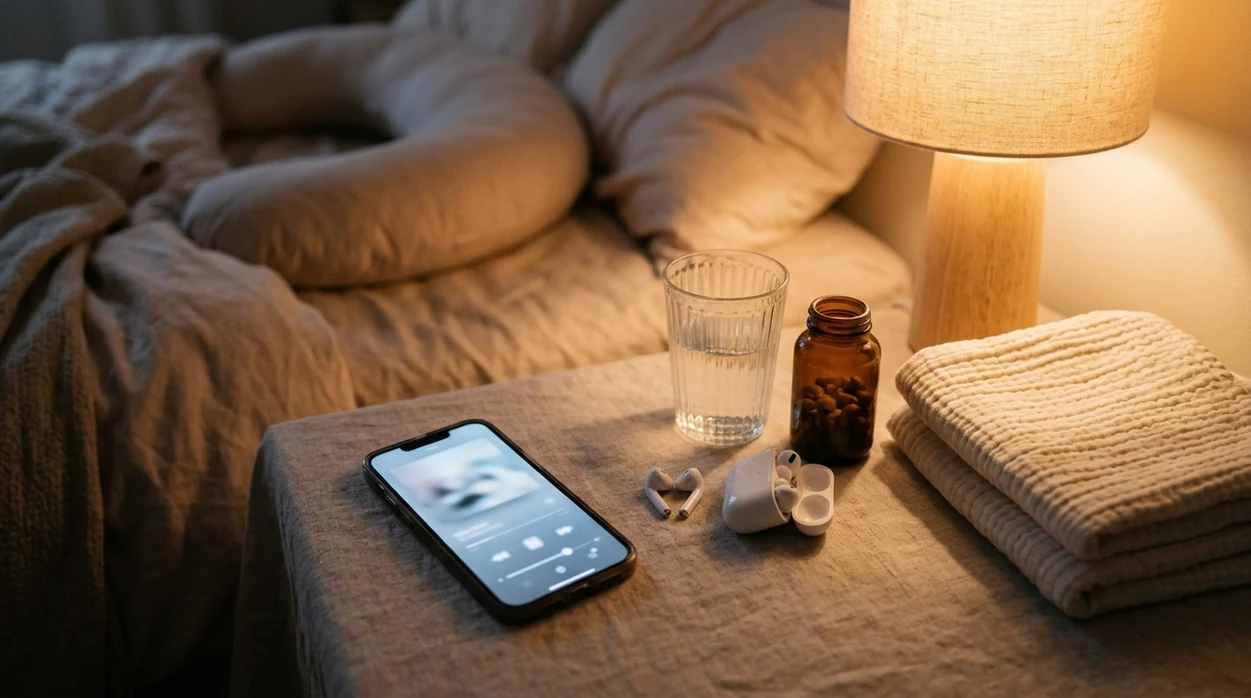
For pregnancy meditation during sleep or anxiety, the strongest app choices are Expectful for all-around pregnancy support, Insight Timer for free pregnancy-specific content, and Calm for sleep-focused audio. The best choice depends on whether you need sleep help, anxiety relief, birth preparation, clinician-designed content, or a low-cost starting point.
Definition: A pregnancy meditation app is a mobile app offering guided meditations, breathing exercises, affirmations, sleep audio, and sometimes birth-preparation content designed for pregnant people across trimesters.
TL;DR: Best Pregnancy Meditation Apps
- Best overall: Expectful, because it is pregnancy-built and covers sleep, anxiety, labor, and postpartum support.
- Best free option: Insight Timer, because it has a large free library with pregnancy meditations, sleep sounds, and breathing tracks.
- Best for pregnancy sleep meditation: Calm, because its Sleep Stories, soundscapes, body scans, and screen-off playback are easy at bedtime.
- Best for anxiety beginners: Headspace, because it teaches meditation basics in a structured, plain-spoken way.
- Best clinician-designed option: iNatal, because it was built with healthcare and research input, though it is less polished than major commercial apps.
Key Facts About Pregnancy Meditation Apps
- Around 14–23% of pregnant women experience depression symptoms, and up to 15–21% experience anxiety during pregnancy, according to a 2015 review. source.
- Up to 60–80% of pregnant women report poor sleep quality or insomnia symptoms, which explains the demand for pregnancy sleep meditation apps. source.
- Mindfulness-based interventions in pregnancy show small to moderate reductions in anxiety and depression in a 2020 systematic review and meta-analysis. source.
- U.S. adult meditation use rose from 4.1% in 2012 to 14.2% in 2017, according to CDC/NCHS survey data. source.
- Few specific pregnancy meditation apps have been tested in randomized controlled trials, so app content quality, privacy, and clinical caution matter more than app store stars.
What Pregnancy Meditation Apps Do
Pregnancy meditation apps provide guided audio for sleep, anxiety, relaxation, and birth preparation. They are coping tools: useful for practice and emotional settling, but not for diagnosis, treatment, or replacing a clinician.
A good app matches the session to the moment. Bedtime tracks may use body scans, sleep stories, or calming sounds. Anxiety tracks often use slow breathing, short grounding cues, or affirmations before appointments. Birth-prep content may include visualization, contraction breathing, and confidence-building scripts.
- Choose the need: sleep support, anxiety relief, labor practice, affirmations, or a short reset.
- Check the focus: pregnancy-built app or general meditation app with maternity playlists.
- Test the format: breathing, body scan, sleep story, affirmation, or birth visualization.
- Look for practical features: reminders, offline playback, screen-off audio, and sleep timers.
- Review privacy settings: especially before entering pregnancy, mood, sleep, or health details.
At-a-Glance Comparison of the Best Pregnancy Meditation Apps
The top pregnancy meditation apps split into two groups: pregnancy-built apps and general meditation apps with pregnancy playlists. PregnancyApp.com ranks them by what they actually help with, not by the size of the total library.
| App name | Best for | Free tier | Typical pricing model | Offline mode | Screen-off playback | Pregnancy-specific depth |
|---|---|---|---|---|---|---|
| Expectful | Sleep, anxiety, labor prep | Limited | Paid plan; trial varies | Yes, paid | Yes | Deep, pregnancy-built |
| Insight Timer | Free meditation and sleep audio | Yes | Optional paid plan | Paid downloads | Yes | Medium, but scattered |
| Calm | Sleep stories, body scans, soundscapes | Limited | Paid individual/family plans | Yes, paid | Yes | Light, general app |
| Headspace | Anxiety beginners and short lessons | Limited | Paid individual/family plans | Yes, paid | Yes | Light, general app |
| iNatal | Clinician-designed pregnancy support | Yes | Usually free or program-based | Varies | Varies | Deep, pregnancy-built |
For users comparing meditation alongside due dates, visits, and symptoms, a broader pregnancy tracker app can keep the wellness piece connected to the rest of pregnancy planning.
How We Picked These Pregnancy Meditation Apps
We prioritized pregnancy-specific depth first. A large generic meditation library helps, but a trimester path, labor-prep track, pregnancy-after-loss meditation, or birth anxiety session can be more useful than a broad stress playlist.
We also looked for sleep tools such as body scans, screen-off playback, sleep timers, offline listening, and calming sounds that do not require staring at the screen. Anxiety support mattered too, especially short SOS tracks, breathing practices, and lessons for racing thoughts before appointments.
Privacy had equal weight because pregnancy and mental health data are sensitive. We checked whether each app explains data sharing in plain language. Pricing transparency, trial access, and visible clinician involvement also counted.
Pricing and feature availability change often, so subscription notes are a snapshot rather than a guarantee. Check each app’s current App Store, Google Play, and privacy-policy pages before entering pregnancy, mood, or sleep data.
Which Pregnancy Meditation App Should You Choose?
- Choose Expectful if you want trimester guidance, birth-prep tracks, and meditations that speak directly to pregnancy.
- Pick Insight Timer if cost matters most and you do not mind searching through teachers, tags, and session lengths.
- Use Calm if your main problem is bedtime: racing thoughts, restlessness, or needing reliable sleep audio.
- Start with Headspace if meditation is new and anxiety feels like looping thoughts, appointment worry, or a busy mind.
- Try iNatal if you prefer pregnancy support designed with healthcare input and can accept a less polished interface.
Detailed Reviews of the Best Pregnancy Meditation Apps
Expectful: Best Overall Pregnancy Meditation App
Expectful is the strongest all-around pregnancy meditation app for users who want pregnancy-specific guidance instead of a few maternity tracks inside a general wellness app. Its main advantage is structure: trimester-by-trimester meditations, labor-prep series, sleep stories, affirmations, and postpartum extensions.
Expectful usually offers a free trial, then moves into a paid subscription. The drawback is that free content is limited, and the cost may feel significant if you are already paying for classes, supplements, and appointments.
Insight Timer: Best Free Pregnancy Meditation App
Insight Timer is the strongest free choice because its library is large, searchable, and generous before payment. You can find pregnancy meditations, birth affirmations, sleep music, yoga nidra, and timer-based breathing without committing on day one.
The tradeoff is curation. Pregnancy content is scattered, teacher quality varies, and there is no clean trimester path that tells you what to use next. For readers comparing emotional support with labor tools, PregnancyApp.com also separates meditation from birth preparation apps, since those needs overlap but are not identical.
Calm: Best Pregnancy Sleep Meditation App
Calm is the strongest pregnancy sleep meditation app for people who mainly want help falling asleep. Its Sleep Stories, soundscapes, body scans, sleep timer, and screen-off playback make bedtime use feel low-effort.
The limitation is pregnancy specificity. Calm has some pregnancy and parenting-related material, but it is a small subset of a broad sleep and meditation catalog. If you want week-by-week emotional support, Expectful or iNatal will feel more relevant.
Headspace: Best Meditation App for Pregnancy Anxiety Beginners
Headspace is the easiest starting point for people new to meditation who feel unsure what to do with anxiety. Its lessons are structured, plain-spoken, and short enough for someone who does not want a mystical tone.
The content is not deeply pregnancy-specific. It is better understood as a general anxiety and mindfulness app that can fit pregnancy, rather than a pregnancy-built app. That distinction matters when the worry is about birth, fetal movement, prior loss, or a routine prenatal appointment.
iNatal: Best Clinician-Designed Pregnancy Meditation App
iNatal stands out because it was developed with researchers and healthcare providers, with pregnancy-specific mindfulness and labor preparation at its center. It feels closer to a digital health program than a lifestyle meditation library.
The drawback is polish. iNatal has a smaller library and a less refined interface than major commercial apps. It may not be the one you reach for every night, but it deserves a place in the shortlist for users who value clinician-shaped support.
How Pregnancy Meditation Apps Work for Sleep and Anxiety
Pregnancy meditation apps use guided attention, breath pacing, and cognitive reframing to reduce stress arousal. In plain terms, they give the mind one steady thing to follow when the body feels uncomfortable or anxious thoughts start looping.
Mindfulness-based stress reduction, often called MBSR, teaches users to notice thoughts and sensations without immediately reacting to them. Audio body scans may support relaxation and the “rest and digest” side of the nervous system. Affirmations and birth visualizations use cognitive reframing, which means practicing a less frightening interpretation of a feared event.
A randomized controlled trial of a mindfulness-based childbirth and parenting program found significantly lower pregnancy anxiety and depressive symptoms compared with usual care. source. App-based meditation is not identical to an in-person program, but the mechanisms can overlap.
How to Choose and Use a Pregnancy Meditation App
The simplest way to choose a pregnancy meditation app is to test it in the moment you will actually use it. A beautiful library matters less than whether you can follow one session when you are tired, uncomfortable, or trying not to look at your phone.
- Identify your primary need: sleep, anxiety, labor prep, affirmations, or a mix.
- Download free trials of two or three apps: include at least one pregnancy-built app and one general app.
- Test a short session before bed for three nights: notice the voice, pacing, and whether you need to keep using the screen.
- Check privacy settings and data-sharing policies: look for pregnancy, mood, and mental health data language.
- Commit to one small routine: set a reminder and make the habit easy enough to do when tired.
- Reassess each trimester: switch tools when sleep, anxiety, or labor prep becomes the bigger need.
For bedtime-specific help, the narrower app for pregnancy sleep meditation guide compares sleep audio features in more detail.
Common Myths and Drawbacks
Myth: Any generic meditation app works as well as a pregnancy-specific one
Generic apps can help, but they rarely address trimester discomfort, birth fear, fetal movement worry, or pregnancy-after-loss language with the same specificity as a pregnancy-built app.
Myth: Daily app use prevents postpartum depression
Mindfulness may reduce symptoms for some people, but it does not replace screening, therapy, medication when needed, or emergency support.
Drawback: The best content is often paywalled
The most useful pregnancy series, sleep libraries, offline downloads, and labor tracks often sit behind a subscription.
Drawback: Some content is not inclusive or trauma-sensitive
Some scripts assume a heterosexual partner, low-risk pregnancy, specific birth setting, or family structure that may not match yours.
Drawback: Labor features may be too general
For labor breathing specifically, a focused app to help with labor breathing may be more useful than a general meditation subscription.
Frequently Asked Questions
Are pregnancy meditation apps safe to use?
Pregnancy meditation apps are generally safe for relaxation and mild stress support. They do not replace professional care for severe anxiety, depression, trauma symptoms, or suicidal thoughts.
Do free pregnancy meditation apps work?
Free pregnancy meditation apps can help with basic breathing, sleep music, and short guided sessions. The deepest pregnancy-specific paths often require a subscription.
Can meditation apps reduce pregnancy anxiety?
Mindfulness interventions in pregnancy show small to moderate reductions in anxiety in research. App-based results may vary because many specific apps have not been tested directly.
When should I start using a pregnancy meditation app?
You can start using a pregnancy meditation app in any trimester. Starting early may build a steadier habit before third-trimester sleep and anxiety become harder.
Do sleep meditation apps help pregnancy insomnia?
Guided sleep meditations and body scans may help with sleep onset and nighttime settling. They are not a treatment for clinical insomnia or severe sleep disruption.
Is Expectful better than Calm for pregnancy?
Expectful is stronger for pregnancy-specific meditation, trimester content, and birth preparation. Calm is stronger for a broad sleep library and general bedtime audio.
Do pregnancy meditation apps share my health data?
Data privacy varies by app and business model. Check each privacy policy for third-party sharing of pregnancy, mood, sleep, and mental health information.
Can I use a meditation app during labor?
Some pregnancy meditation apps include labor-prep breathing, body scans, affirmations, and visualization tracks. Download tracks offline before the hospital and follow your clinician or birth team if medical instructions conflict with the audio.
Should I still see a therapist if I use a pregnancy meditation app?
Yes, if symptoms are moderate, severe, persistent, or affecting daily life. Pregnancy apps can complement therapy, but they do not replace mental health care.
Limitations & Safety
- Few specific pregnancy meditation apps have randomized controlled trial validation for their exact content.
- Apps are not substitutes for professional treatment of severe depression, PTSD, bipolar disorder, panic disorder, or suicidal thoughts.
- Subscription costs, paywalls, and limited offline access can make the most relevant pregnancy content harder to use consistently.
- Screen use near bedtime can worsen sleep if the app requires tapping, scrolling, or reading in bed.
- Meditation apps do not replace practical labor and hospital planning; use separate tools when needed, such as a tool that can create hospital bag checklist.