 Pregnancy
Best Pregnancy Water Bottle: Practical Features That Matter
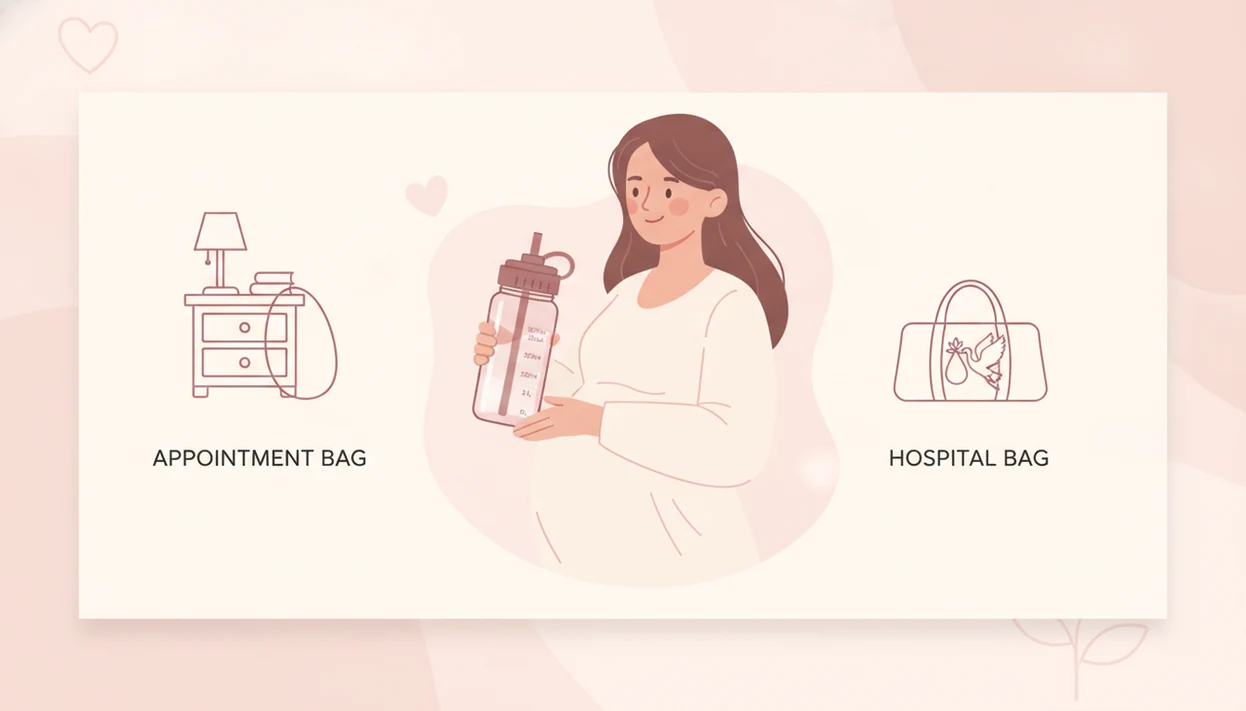
Quick answer: best pregnancy water bottle
The best pregnancy water bottle is usually a 24–32 oz, leak-resistant bottle that is easy to sip from, simple to clean, and comfortable to carry. Many pregnant people prefer a straw lid, BPA-free or food-grade materials, clear measurement marks, and insulation that keeps water cold during nausea, work, appointments, and late pregnancy.
Pregnancy Water Bottle Feature Comparison
| Feature | Why it matters in pregnancy | What to look for |
|---|---|---|
| BPA-free or food-grade materials | Materials matter because the bottle may be used all day, every day. | Choose food-grade stainless steel, glass, or plastic labeled BPA-free by the manufacturer. |
| Measurement marks | Measurement marks make it easier to see how much you have sipped without guessing. | Look for clear ounce or milliliter markings that are easy to read and do not wear off quickly. |
| Straw lid vs. open mouth | A straw can support frequent small sips, while an open mouth or screw cap may be easier to deep-clean. | Choose a straw for one-handed sipping and nausea days; choose a simpler lid if cleaning ease matters most. |
| Insulation | Insulation helps keep water cold, which some pregnant people find more tolerable during nausea or hot weather. | Pick stainless steel insulation for cold water; choose lighter plastic if weight is a bigger concern. |
| Leak resistance | Leak resistance matters for appointment bags, bedside tables, commuting, and hospital bags. | Check for a reliable seal, secure lid, and reviews that mention tipping or bag use. |
| Cleaning design | Easy cleaning reduces odor, residue, and buildup in straws, lids, and silicone seals. | Prefer wide-mouth bottles, removable straws, replaceable parts, and dishwasher-safe components when available. |
TL;DR
The best pregnancy water bottle is usually a 24–32 oz bottle with a straw or easy-sip lid, leak-resistant design, BPA-free or food-grade materials, clear measurement marks, and parts that are simple to clean. Insulation is helpful if cold water is easier to tolerate, while lightweight bottles may be better for commuting, appointments, or a hospital bag.
Definition: A pregnancy water bottle is not a medical device; it is a practical hydration tool chosen for pregnancy-specific needs such as frequent sipping, one-handed use, nausea-friendly access, easy cleaning, and portability for appointments, work, bedside use, and a hospital bag.
What Makes a Water Bottle Good for Pregnancy?
A good pregnancy water bottle makes frequent sipping easier without adding extra cleaning, carrying, or refill stress. Many clinicians encourage steady hydration during pregnancy, but the most useful bottle is usually the one that fits your real routine: nausea days, work, appointments, bedside use, and later pregnancy mobility.
The most practical features are comfortable capacity, food-grade or BPA-free materials, a lid you can use one-handed, leak resistance, and parts that are easy to wash. If you are also tracking symptoms, appointments, or trimester changes, a pregnancy tracker can help you notice patterns and plan routines.
Best Size: 24–32 oz Is Usually the Sweet Spot
For many pregnant people, a 24–32 oz bottle offers the best balance of capacity, portability, and weight. It can reduce refills during the day while still being realistic to carry in a work bag, appointment bag, car cup holder, or bedside setup.
Larger bottles can be useful at home if you like fewer refills, but they may feel heavy when full. Smaller bottles may be better for commuting, nausea days, or packing with later-pregnancy planning items such as a due date reminder or a third-trimester checklist.
Are Measurement Marks Worth It?
Measurement marks are worth it if visual progress cues help you remember to drink. They can be especially useful when fatigue, busy workdays, nausea, or frequent appointments make hydration easy to forget.
Look for markings that show ounces or milliliters clearly and are positioned where you can read them at a glance. If you dislike tracking, marks are optional; a comfortable bottle you actually use is more important than a bottle that turns hydration into another task.
Straw Lid vs. Screw Cap: Which Is Better?
A straw lid is often the most pregnancy-friendly choice because it supports small, frequent sips with less effort. It can be helpful while resting, riding as a passenger, working at a desk, or managing late-pregnancy discomfort.
A screw cap or open-mouth bottle may be better if you want fewer small parts and easier deep-cleaning. If you dislike cleaning straws, a chug lid or simple screw cap may be more realistic; if nausea makes large gulps unpleasant, a straw bottle may be easier to tolerate alongside calming routines such as pregnancy meditation or hypnobirthing practice.
Which Material Is Best: Stainless Steel, Plastic, or Glass?
The best material depends on whether you prioritize insulation, low weight, taste, or durability. Food-grade stainless steel is durable and insulated but heavier; BPA-free plastic is lightweight and often budget-friendly; glass has a clean taste but can be heavy and breakable.
If choosing plastic, look for manufacturer-labeled BPA-free materials and check whether the bottle tolerates dishwasher use. If choosing stainless steel, consider the full weight when filled; if choosing glass, consider a protective sleeve and whether it is practical for bedside, travel, or hospital-bag use.
Does Insulation Matter During Pregnancy?
Insulation matters if cold water helps you drink more comfortably or if you spend long stretches away from home. Some pregnant people find cold water easier during nausea or hot weather, while others prefer room-temperature water and can choose a lighter bottle.
Insulated stainless steel bottles usually keep drinks cold longer but add weight and may lack visible measurement marks. Non-insulated plastic bottles are often lighter and easier to monitor visually, which can be useful if you want to see your intake throughout the day.
Best Features for the Third Trimester and Hospital Bag
In the third trimester, the best water bottle is usually one that works one-handed, does not leak when tipped, and is easy to reach from bed or a chair. A straw lid, carrying handle, stable base, secure seal, and simple cleaning design are practical for late pregnancy, labor preparation, and early postpartum recovery.
If you plan to pack a bottle for labor or a birth center visit, wash it beforehand and choose a lid you can open easily. A bottle can sit alongside planning tools such as a contraction timer, but fluid instructions during labor or medical procedures should come from your care team.
How to Choose the Best Pregnancy Water Bottle for You
The best pregnancy water bottle is the one that removes your biggest barrier to drinking regularly. Choose measurement marks if you forget to drink, a straw if small sips feel easier, insulation if cold water helps, and a lighter bottle if carrying weight is the problem.
Before buying, check the lid mechanism, leak seal, straw replacement options, cleaning instructions, weight when full, and whether it fits where you need it most. For broader pregnancy planning, you can pair simple routines like hydration with a week-by-week pregnancy guide to stay oriented without overcomplicating daily life.
Limitations & Safety
- This article is general information and not medical advice.
- Hydration needs can change with vomiting, fever, heat exposure, exercise, gestational diabetes, kidney conditions, medications, or other medical factors.
- Contact your healthcare professional if you have signs of dehydration, persistent vomiting, dizziness, reduced urination, severe swelling, or other concerning symptoms.
- Clean bottles, lids, straws, and seals regularly to reduce odor, residue, and microbial buildup.
- Follow your care team’s instructions about fluids during labor, medical procedures, or pregnancy complications.
Frequently Asked Questions
What is the best pregnancy water bottle overall?
The best pregnancy water bottle for many people is a 24–32 oz, leak-resistant bottle with a straw or easy-sip lid, food-grade materials, and simple cleaning parts. Measurement marks and insulation are helpful if they make you drink more consistently. The right choice depends on your symptoms, routine, and how much weight you want to carry.
What size water bottle is best during pregnancy?
A 24–32 oz bottle is a practical size for many pregnant people because it reduces refills without becoming too heavy. Larger bottles can work well at home, while smaller bottles may be easier for commuting, nausea days, appointments, or a hospital bag.
Is a straw water bottle better for pregnancy?
A straw bottle is often convenient during pregnancy because it supports frequent small sips and can be used one-handed. It may be especially helpful for bedside use, nausea, or the third trimester. However, straw parts need regular cleaning to reduce odor and buildup.
Should a pregnancy water bottle be BPA-free?
If you choose plastic, a bottle labeled BPA-free by the manufacturer is a sensible feature to look for. Food-grade stainless steel and glass are also common options. Material choice should be paired with regular cleaning and following the bottle maker’s care instructions.
Are measurement marks useful on a pregnancy water bottle?
Measurement marks are useful if seeing your progress helps you remember to sip throughout the day. They are not medically required, but they can make hydration feel more manageable during busy or tiring days. Choose markings that are easy to read and unlikely to wear off quickly.
Are stainless steel bottles safe for pregnancy?
Food-grade stainless steel bottles are commonly used for drinking water and can keep fluids cold for many hours. Choose a bottle with easy-to-clean parts and check the manufacturer’s care instructions. If you have material sensitivities or specific concerns, ask your clinician.
How often should I clean a pregnancy water bottle?
Daily cleaning is a good habit for bottles used throughout the day, especially if they have straws, silicone seals, or lids with small parts. Let pieces dry fully before reassembling. Clean more often if you add anything besides water.
Can a water bottle help with pregnancy nausea?
A water bottle does not treat nausea, but it can make small, frequent sips easier. Some people find cold water, a straw lid, or a bottle that avoids odors more tolerable. Persistent vomiting or inability to keep fluids down should be discussed with a healthcare professional.