 Pregnancy
Is Liquid I.V. Safe During Pregnancy?
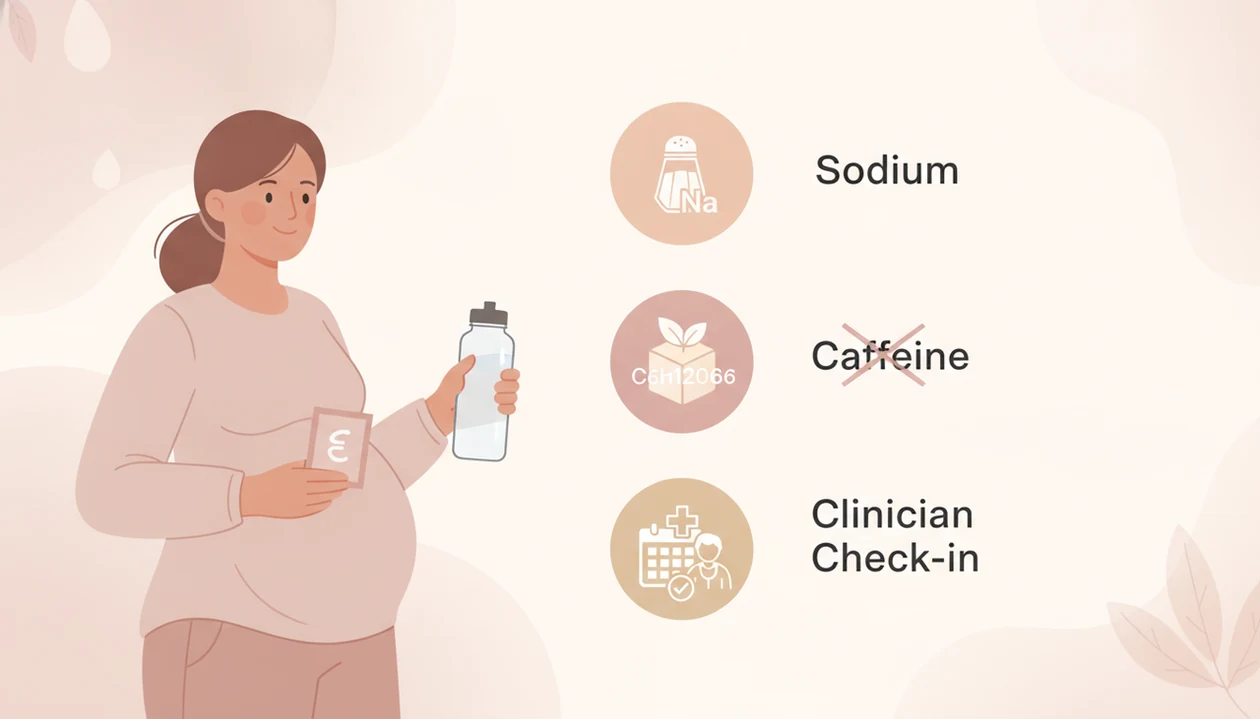
Because Liquid I.V. formulas vary by flavor and product line, the safest answer is label-based: check sodium, sugar, caffeine, and vitamin amounts before using it during pregnancy.
- Occasional use is likely low risk for many uncomplicated pregnancies, but it is not automatically right for everyone.
- Many clinicians recommend asking first if you have high blood pressure, kidney disease, gestational diabetes, preeclampsia risk, severe vomiting, swelling, or fluid or sodium restrictions.
- Caffeinated or energy-style versions should be counted toward your total caffeine intake and discussed with your pregnancy care team if you are unsure.
| Question | Pregnancy-focused answer |
|---|---|
| Is Liquid I.V. safe during pregnancy? | Often low risk occasionally for many people, but safety depends on the exact label, your medical history, and how often you use it. |
| What should I check first? | Check sodium, added sugar, caffeine, and vitamin amounts on the current product label. |
| When might it help? | It may help when plain water is hard to tolerate or after sweating, mild nausea, diarrhea, or low fluid intake. |
| Who should ask a clinician first? | Ask first if you have blood pressure concerns, kidney disease, gestational diabetes, preeclampsia risk, severe swelling, hyperemesis, or fluid or sodium restrictions. |
| Can it replace water or meals? | No. Electrolyte drinks should not replace water, balanced meals, prenatal vitamins, or medical care. |
TL;DR
Liquid I.V. may be safe during pregnancy for occasional use in many uncomplicated pregnancies, but the safer approach is to read the label every time. Check sodium, sugar, caffeine, and vitamin amounts, choose non-caffeinated options when possible, and ask your OB or midwife before regular use if you have blood pressure, kidney, glucose, swelling, vomiting, or fluid-balance concerns.
What “safe” means in pregnancy
“Safe” means the specific Liquid I.V. product fits your pregnancy health needs, not that every flavor or product line is automatically appropriate. Liquid I.V. is an oral electrolyte drink mix, not an intravenous medication, and it is usually mixed with water to support hydration.
Many clinicians would treat it like a supplement-style beverage: potentially useful in specific situations, but not a replacement for water, balanced meals, prenatal vitamins, or prenatal care. If you are tracking symptoms by trimester, see our pregnancy week-by-week hub for broader pregnancy milestones and symptom context.
When an electrolyte drink may help
An electrolyte drink may help when plain water is not enough or is hard to tolerate for a short period. Examples include sweating, mild nausea, diarrhea, or a day when fluids have been low.
In pregnancy, the goal is steady hydration rather than forcing large amounts of any one drink. Persistent vomiting, dizziness, fainting, rapid heartbeat, contractions, or inability to keep fluids down should be discussed with a healthcare professional instead of managed only with an electrolyte packet.
Some people notice hydration needs change later in pregnancy, especially in warmer weather or during more active days. If you are organizing prenatal tasks and symptom check-ins, our third trimester checklist can help you plan what to discuss at upcoming appointments.
Ingredients to check before using Liquid I.V.
The most important label items to check are sodium, added sugar, caffeine, and vitamin amounts. Liquid I.V. formulas can vary by product line and flavor, so a label-based check is more reliable than assuming one version represents them all.
Sodium can matter if you have high blood pressure, preeclampsia risk, kidney concerns, heart disease, significant swelling, or a sodium restriction. Added sugar can matter if you have gestational diabetes, insulin resistance, or are monitoring blood glucose.
Caffeinated or energy-style products should be counted toward your total daily caffeine intake. ACOG guidance commonly treats caffeine as something to limit during pregnancy, so many clinicians suggest choosing non-caffeinated hydration products unless your own clinician advises otherwise.
Vitamin amounts also matter because pregnancy already involves prenatal vitamins and sometimes additional supplements. Avoid stacking multiple fortified drinks or supplements without checking whether the combined amounts are appropriate for you.
How often to drink it
Occasional use is different from using Liquid I.V. as your main fluid source every day. For many uncomplicated pregnancies, water and food remain the foundation for hydration, while electrolyte drinks are reserved for specific needs such as heat, exercise, mild stomach upset, or short periods of reduced intake.
Follow the current product directions and avoid doubling servings unless your clinician specifically recommends a different plan. Your due date, trimester, activity level, symptoms, and medical history can all affect hydration planning; if you are aligning symptoms with gestational age, use the due date calculator and consider keeping notes in a pregnancy tracker.
When to ask your clinician first
Ask your OB, midwife, or healthcare professional before regular use if you have a condition that affects blood pressure, kidneys, blood sugar, swelling, or fluid balance. This includes high blood pressure, kidney disease, heart disease, gestational diabetes, a history of preeclampsia, severe swelling, hyperemesis, or any instruction to limit fluids or sodium.
You should also ask for guidance if dehydration symptoms keep returning. Dark urine, rapid heartbeat, dizziness, fainting, reduced urination, worsening nausea, contractions, or inability to keep fluids down may signal that you need assessment rather than more electrolyte mix.
Later in pregnancy, pair hydration awareness with fetal movement awareness if your clinician has asked you to track movement. A baby kick counter can help you record movement patterns, but concerning changes should be reported promptly.
Practical tips if you choose to use it
If you choose to use Liquid I.V. while pregnant, mix it exactly as directed and treat it as occasional hydration support. Do not use it to replace meals, prenatal vitamins, prescribed treatment, or routine prenatal care.
Start with water first when symptoms are mild, then consider an electrolyte drink when there is a clear reason. Choose non-caffeinated versions unless your clinician says otherwise, and include the drink’s sugar and sodium in your overall intake for the day.
Stop relying on self-treatment and contact your pregnancy care team if you feel worse, develop new or worsening swelling, have blood pressure concerns, cannot keep fluids down, or notice symptoms that feel unusual for you.
Limitations & Safety
This article is general education and cannot determine whether Liquid I.V. is safe for your individual pregnancy. Product formulas and ingredient amounts can change, so always read the current label and ask your clinician if you are unsure.
- Ask your clinician before regular use if you have high blood pressure, kidney disease, heart disease, gestational diabetes, preeclampsia risk, severe vomiting, severe swelling, or fluid or sodium restrictions.
- Seek urgent care for fainting, confusion, inability to keep fluids down, signs of severe dehydration, severe headache, vision changes, chest pain, or concerning fetal movement changes.
- Do not use electrolyte drinks as a substitute for prescribed treatment, prenatal vitamins, balanced nutrition, or recommended prenatal care.
Frequently Asked Questions
Is Liquid I.V. safe during pregnancy?
Liquid I.V. may be safe during pregnancy for occasional use in many uncomplicated pregnancies, but it depends on the exact product and your health history. Check the label for sodium, sugar, caffeine, and vitamin amounts before using it.
What ingredients should I check in Liquid I.V. while pregnant?
Check sodium, added sugar, caffeine, and vitamin amounts first. Formulas can vary by flavor and product line, so read the current label rather than assuming all Liquid I.V. products are the same.
Can Liquid I.V. help with pregnancy nausea?
Liquid I.V. may help some people drink more fluids if plain water is unappealing during mild nausea. Persistent vomiting, weight loss, dizziness, dehydration, or inability to keep fluids down should be discussed with a healthcare professional.
Is the sodium in Liquid I.V. a problem during pregnancy?
Sodium is not automatically a problem, but extra sodium may be inappropriate for some pregnancies. Ask your clinician before regular use if you have high blood pressure, kidney disease, swelling, preeclampsia risk, or a sodium restriction.
Should I avoid caffeinated Liquid I.V. products while pregnant?
Caffeinated versions should be counted toward your total daily caffeine intake. Many clinicians recommend choosing non-caffeinated hydration options during pregnancy unless your OB, midwife, or healthcare professional says otherwise.
How many Liquid I.V. packets can I drink per day while pregnant?
There is no one-size-fits-all pregnancy amount. Follow the product directions, avoid doubling servings, and ask your clinician before daily or multiple-times-daily use, especially if you have blood pressure, kidney, glucose, or fluid-balance concerns.
Can I use Liquid I.V. instead of water during pregnancy?
No, Liquid I.V. should not replace water as your main fluid source. For most pregnant people, water, meals, and routine prenatal nutrition remain the foundation, with electrolyte drinks used only when there is a specific reason.