 Pregnancy
How Much Water Should You Drink During Pregnancy?
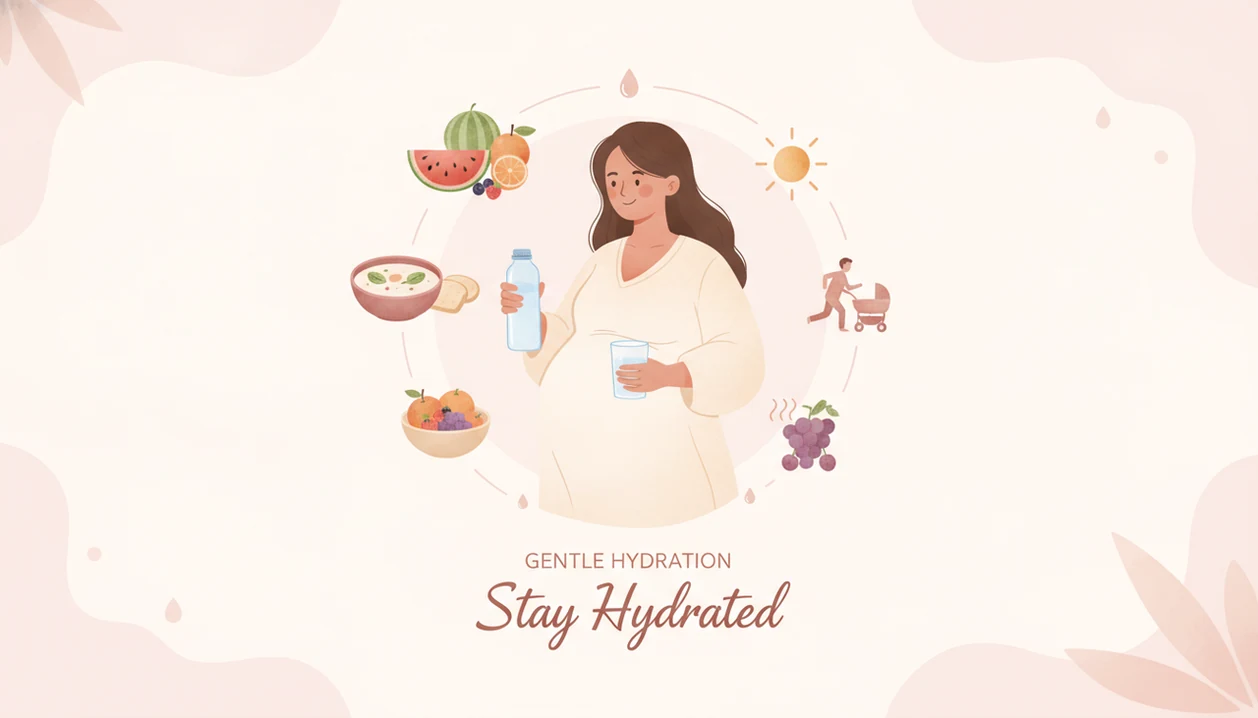
Quick answers: water intake during pregnancy
Most pregnant people can start with 8–12 cups of water a day and adjust based on symptoms, heat, activity, illness, and clinician guidance.
| Topic | Practical guide | What it means |
|---|---|---|
| Daily intake range | About 8–12 cups of water daily, or roughly 64–96 ounces. | Many clinicians use this as a practical starting range, but your needs can change with body size, weather, exercise, vomiting, diet, and medical conditions. |
| Everyday hydration clues | Pale yellow urine, regular urination, less thirst, and steadier energy. | These signs often suggest your intake is reasonable, although vitamins, foods, and medications can affect urine color. |
| Possible dehydration signs | Dark urine, strong-smelling urine, dry mouth, headache, dizziness, constipation, or unusual tiredness. | Mild symptoms may improve with fluids and rest, but persistent or worsening symptoms deserve clinical guidance. |
| When you may need more | Hot weather, exercise, fever, travel, salty foods, vomiting, diarrhea, or heavy sweating. | Increase fluids gradually and pair them with food or clinician-approved electrolytes when needed. |
| When to call a clinician | Call if you cannot keep fluids down, feel faint or confused, have fever, painful urination, severe dehydration signs, reduced fetal movement, bleeding, leaking fluid, or regular painful contractions. | Hydration is helpful, but it should not delay urgent pregnancy assessment when warning symptoms appear. |
TL;DR
Most pregnant people can use 8–12 cups of water a day, or about 64–96 ounces, as a practical starting range.
- Your exact need changes with body size, heat, exercise, vomiting, diet, and medical conditions.
- Pale yellow urine and regular urination are useful everyday clues, but they are not perfect medical tests.
- Count water, milk, broth, soup, fruits, vegetables, and many low-sugar drinks toward overall hydration.
- Call your clinician if you cannot keep fluids down, feel faint, feel confused, have fever, or notice concerning pregnancy symptoms.
What enough water means in pregnancy
Enough water during pregnancy means taking in enough fluid to support expanded blood volume, amniotic fluid, digestion, temperature control, and normal kidney function.
Water is the simplest choice, but total hydration also comes from foods and other drinks. A daily target is useful, yet your body’s signals and your clinician’s advice matter more than a single number.
Fluid needs often feel different as pregnancy progresses. Early nausea can make drinking harder, while later pregnancy may bring more sweating, heartburn, constipation, or Braxton Hicks contractions. Following your symptoms week by week can help you notice patterns; a pregnancy week-by-week guide can place hydration changes in context.
Daily target: how much water during pregnancy?
A practical daily target for how much water during pregnancy is about 8–12 cups per day, equal to roughly 64–96 ounces or 1.9–2.8 liters.
Many pregnant people land near the middle of that range, but needs vary. If your urine is usually pale yellow, you are urinating regularly, and you rarely feel thirsty, your intake is often in a reasonable range.
Try building a simple routine: one glass after waking, one with each meal and snack, and regular sips between. A large refillable bottle can make the target visible. If you already use a pregnancy tracker, adding hydration notes can help you connect water intake with headaches, constipation, or energy changes.
When you may need more fluid
You may need more fluid when you sweat, exercise, travel, spend time in heat, eat salty foods, or have fever, vomiting, or diarrhea.
Some people also need more in the third trimester because of increased blood volume and physical effort. Extra fluid should be paired with rest and food when possible, not used to mask concerning symptoms.
If you are preparing for late pregnancy, keep hydration on the same checklist as birth bags, postpartum supplies, and care contacts. The third trimester checklist can help you plan practical items such as a water bottle, clinician-approved electrolyte packets, and easy snacks for appointments or hospital time.
Signs and simple self-checks
Common signs you may need more fluids include dark yellow urine, strong-smelling urine, dry mouth, headache, dizziness, constipation, and feeling unusually tired.
Mild Braxton Hicks contractions can sometimes feel more noticeable when you are dehydrated. Severe dizziness, fainting, confusion, fever, painful urination, or ongoing vomiting should be treated as medical concerns rather than routine thirst.
After the point in pregnancy when you are monitoring movement, hydration can support comfort but should not be used as the only response to reduced fetal movement. If movement feels decreased, follow your clinician’s instructions and consider using a baby kick counter to track what you are noticing while you seek guidance.
What counts besides plain water?
Plain water is ideal, but milk, sparkling water, broth, decaffeinated tea, fruit, vegetables, and soups also contribute fluid.
Caffeinated drinks can count partly toward fluids, but ACOG guidance commonly advises limiting caffeine during pregnancy to about 200 mg per day. Sugary drinks may add calories quickly, so many clinicians suggest using them occasionally rather than as your main hydration plan.
If plain water is hard to tolerate, try ice, chilled water, warm lemon water, diluted juice, fruit-infused water, or small sips more often. If nausea or vomiting is limiting your intake, ask your care team what options are safest for your situation.
Tips to drink enough without overdoing it
The safest hydration habit is regular sipping across the day rather than forcing large amounts at once.
Keep water where you already spend time, drink with meals and snacks, and add extra fluids before and after walks, workouts, or time outdoors. Pairing fluids with salty or protein-containing snacks may be more comfortable if nausea, dizziness, or heartburn makes plain water difficult.
More is not always better. Very large amounts of water in a short time can disturb blood sodium levels, so ask your clinician for individualized advice if you feel compelled to drink extreme amounts or if you have a condition that affects fluid balance.
Limitations & Safety
This hydration guidance is educational and is not a diagnosis or a personalized fluid prescription.
- Ask your clinician for individual advice if you have kidney disease, heart disease, high blood pressure, preeclampsia risk, diabetes, hyperemesis, or any fluid restriction.
- Do not force excessive water intake; very large amounts in a short time can disturb blood sodium levels.
- Seek medical care if you cannot keep fluids down, have signs of dehydration, faint, feel confused, have fever, or notice painful urination.
- Call your maternity unit or clinician promptly for reduced fetal movement, vaginal bleeding, leaking fluid, severe headache, vision changes, chest pain, or regular painful contractions. Hydration is not a substitute for urgent assessment.
- For broader planning, pair hydration habits with rest, nutrition, and birth preparation using resources such as how to prepare for labor.
Frequently Asked Questions
How much water during pregnancy is usually recommended?
A practical starting point is 8–12 cups of water per day, or about 64–96 ounces. Some people need more or less depending on heat, activity, vomiting, diet, body size, and medical conditions. Your clinician may give a different target if you have a condition that affects fluids.
Does tea, milk, or sparkling water count toward fluids?
Yes, many beverages and high-water foods contribute to total fluid intake. Plain water is still the easiest default because it has no caffeine, sugar, or additives. If you drink caffeinated beverages, keep total caffeine within the limit recommended by your clinician.
What color should urine be if I am well hydrated?
Pale yellow urine is a common sign of adequate hydration. Dark yellow urine, very infrequent urination, or strong-smelling urine may suggest you need more fluids. Some prenatal vitamins, foods, and medications can change urine color, so use symptoms and clinical advice too.
Can dehydration cause contractions during pregnancy?
Dehydration can make the uterus feel more irritable for some people, and Braxton Hicks contractions may become more noticeable. However, regular painful contractions, leaking fluid, bleeding, or reduced fetal movement should be assessed by a clinician and not assumed to be dehydration.
When should I call a doctor about hydration?
Call your clinician if you cannot keep fluids down, feel faint, have confusion, fever, painful urination, or signs of severe dehydration. Also call for reduced fetal movement, severe headache, vision changes, bleeding, leaking fluid, or any symptom your care team has told you to report.
Can you drink too much water while pregnant?
Yes, it is possible to drink too much water, especially if very large amounts are consumed quickly. Excessive water intake can disturb sodium balance in the blood. Regular sipping is safer than forcing large volumes, and people with kidney, heart, or blood pressure conditions should ask for individualized guidance.
Are electrolyte drinks safe during pregnancy?
Some electrolyte drinks may be useful during vomiting, diarrhea, heat exposure, or heavy sweating, but they are not necessary for everyone. Many contain sugar, sodium, or additives, so ask your clinician which type is appropriate if you need them often. Water and regular meals are enough for many everyday situations.