 Pregnancy
Can You Drink Matcha While Pregnant?
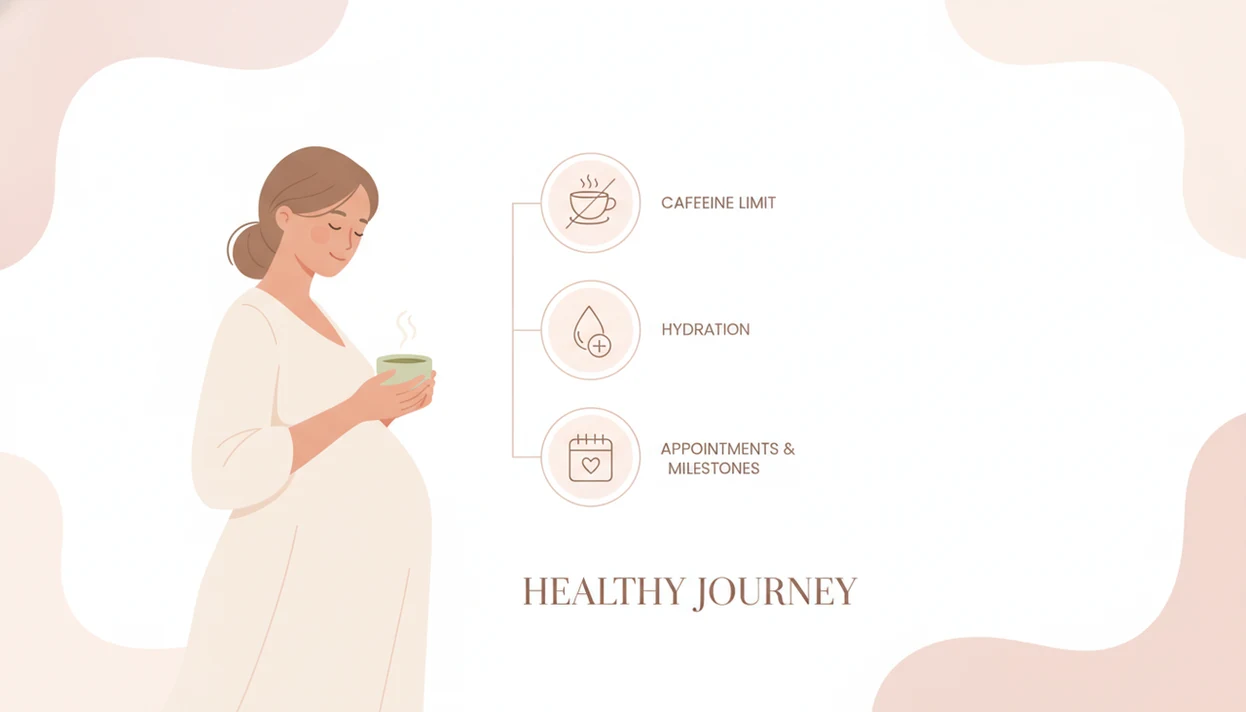
Quick answer
For many pregnant people, matcha during pregnancy is safe in moderation when total caffeine stays within the limit recommended by their clinician. A common pregnancy caffeine limit is 200 mg per day from all sources, and a small matcha drink often contains about 30–70 mg.
- Count matcha, coffee, tea, soda, chocolate, energy drinks, and caffeine-containing medications together.
- Measure the powder when possible because café drinks and bottled matcha can vary widely.
- Separate matcha from prenatal vitamins or iron supplements if iron levels are a concern.
Matcha caffeine comparison
| Drink | Typical caffeine |
|---|---|
| Small matcha | 30–70 mg |
| Brewed green tea | 25–45 mg |
| Coffee | Often higher |
| Pregnancy limit | Commonly 200 mg/day |
TL;DR
- Matcha during pregnancy is generally considered safe in moderation for many people.
- The key issue is caffeine: many pregnancy guidelines use 200 mg per day as a common upper limit.
- One small matcha serving often contains about 30–70 mg of caffeine, but this varies by powder amount and brand.
- Avoid taking matcha with prenatal vitamins or iron-rich meals if iron levels are a concern.
- Ask your clinician for personalized guidance if you have anemia, high blood pressure, palpitations, severe nausea, or a high-risk pregnancy.
Definition: Matcha is a powdered green tea made from finely ground tea leaves. Because you consume the whole leaf powder rather than only a brewed infusion, matcha usually delivers more caffeine and plant compounds than a typical cup of steeped green tea.
If you are tracking symptoms, appointments, and daily habits, a pregnancy tracker can help you keep caffeine choices in context alongside sleep, nausea, hydration, and prenatal care notes.
Is matcha during pregnancy safe?
For most pregnant people, matcha can be safe in moderation because the main concern is caffeine, not matcha itself. Many clinicians advise keeping total caffeine from all sources at or below 200 milligrams per day during pregnancy, unless you have been told to follow a stricter limit.
That daily total includes coffee, black tea, green tea, energy drinks, chocolate, some sodas, and caffeine-containing medications. If you are unsure how far along you are or want to plan your prenatal schedule, a due date calculator can be a useful starting point.
How much caffeine is in matcha?
A typical small matcha drink often contains about 30 to 70 milligrams of caffeine, although the exact amount can vary. Caffeine depends on the amount of powder used, the tea variety, growing conditions, and whether the drink is a small whisked serving, a large latte, or a bottled product.
Many café matcha lattes use sweeteners, larger cup sizes, or multiple scoops of powder. If the menu does not list caffeine, ask how many teaspoons or grams of matcha are used and count that drink toward your full-day caffeine total.
How does matcha compare with coffee and green tea?
Matcha is usually higher in caffeine than brewed green tea but may be lower than coffee when the matcha serving is small and measured. Coffee is often higher in caffeine, but a large matcha latte or extra scoops of matcha powder can still add up quickly.
ACOG guidance commonly uses 200 mg per day as a pregnancy caffeine benchmark, but your own care team may suggest less based on your health history. The safest comparison is not “matcha versus coffee” but your total caffeine across the whole day.
How much matcha can you drink while pregnant?
A cautious pregnancy approach is to choose one small matcha serving, measure the powder, and avoid stacking it with coffee on the same day. Drinking it earlier in the day, pairing it with food, and staying hydrated may reduce jitters, reflux, nausea, or sleep disruption.
You do not need to eliminate every enjoyable ritual unless your clinician recommends it. Many people find it easier to plan caffeine alongside weekly pregnancy changes using a pregnancy week-by-week guide.
Can matcha affect nutrients or iron absorption?
Matcha can affect iron timing because tea polyphenols may reduce absorption of non-heme iron from plant foods and supplements. If iron levels are a concern, many clinicians suggest separating matcha from prenatal vitamins, iron supplements, and iron-rich meals by a couple of hours.
This is especially relevant if you have low ferritin, anemia, heavy nausea that limits food intake, or a history of needing iron supplementation. Your prenatal care team can tell you whether iron timing matters for your specific lab results.
When should you cut back or avoid matcha?
You should cut back or avoid matcha if caffeine worsens palpitations, anxiety, insomnia, reflux, nausea, headaches, or blood pressure. You may also need a lower caffeine limit if you have anemia, fetal growth concerns, certain heart conditions, or a clinician has advised caffeine restriction for your pregnancy.
In later pregnancy, many people become more aware of sleep quality, hydration, and fetal movement patterns. A baby kick counter and a third trimester checklist can support routine monitoring, but they do not replace medical advice.
How can you choose a pregnancy-friendly matcha drink?
A pregnancy-friendly matcha drink is usually small, measured, and counted toward your daily caffeine total. Choose plain matcha or a lightly sweetened latte when possible, and check labels on bottled products for caffeine, added sugar, and herbal blends.
Be cautious with “energy” matcha products or mixed powders that include additional stimulants or herbs. If a product’s ingredient list is unclear, ask your clinician or pharmacist before using it during pregnancy.
Limitations & Safety
- This page is general education and is not a diagnosis, treatment plan, or substitute for prenatal care.
- Ask your obstetrician, midwife, or dietitian for a personal caffeine limit if you have a high-risk pregnancy or medical condition.
- Check labels on bottled matcha, powders, and lattes because caffeine and added sugar vary widely.
- Seek urgent medical advice for severe headache, chest pain, fainting, persistent vomiting, high blood pressure symptoms, or reduced fetal movement.
- Herbal blends mixed with matcha may contain ingredients that are not well studied in pregnancy; review them with your clinician.
Frequently Asked Questions
Can I drink matcha every day while pregnant?
Many pregnant people can have matcha daily if the serving is modest and total caffeine stays within the limit recommended by their clinician. A common guideline is up to 200 mg of caffeine per day from all sources, but some people need less.
How many cups of matcha are safe during pregnancy?
It depends on the amount of matcha powder used and your total caffeine for the day. One small serving may contain roughly 30–70 mg of caffeine, while a large café latte may contain more. Count all caffeine sources before deciding whether a second serving fits your day.
Is matcha safer than coffee during pregnancy?
Matcha is not automatically safer; it is usually lower in caffeine per small serving than coffee, but serving size matters. A measured small matcha may fit more easily under a caffeine limit than a large coffee, but both should be counted.
Can matcha affect iron or prenatal vitamins?
Yes, tea compounds can reduce absorption of non-heme iron, especially when consumed with iron-rich foods or supplements. If iron status is a concern, take matcha a couple of hours away from prenatal vitamins, iron supplements, and iron-focused meals.
Should I avoid matcha in the first trimester?
There is no universal rule that all pregnant people must avoid matcha in the first trimester. However, nausea, reflux, sleep disruption, or caffeine sensitivity may make it less comfortable, and anyone with a high-risk pregnancy should ask their clinician.
Does matcha count toward the 200 mg pregnancy caffeine limit?
Yes, matcha caffeine should be included in your daily caffeine total. Many clinicians count caffeine from matcha, coffee, tea, soda, chocolate, energy drinks, and some medications together when discussing the commonly used 200 mg daily benchmark.
Is decaf matcha available during pregnancy?
Decaf matcha is less common than decaf coffee or decaf brewed tea, and caffeine amounts can still vary by product. If you are trying to reduce caffeine, check the label carefully or choose a caffeine-free pregnancy-safe drink recommended by your care team.