 Pregnancy
Best Pregnancy Affiliate Programs for Pregnancy Publishers
Quick answers
Commercial disclosure: This page is a publisher-focused affiliate guide and may discuss categories of offers that can generate referral revenue; it is not medical, legal, or financial advice.
- Best overall fit: Pregnancy apps, birth education, baby registries, maternity essentials, and pregnancy wellness programs usually fit pregnancy audiences best.
- Best selection rule: Choose programs that match the reader’s pregnancy stage, search intent, location, and trust expectations.
- Biggest risk: Avoid exaggerated health, income, safety, or birth-outcome claims, especially for wellness products, supplements, devices, and courses.
- Earnings reality: Affiliate income is not guaranteed and depends on traffic quality, conversion rate, commission terms, refunds, tracking, and reader trust.
Pregnancy affiliate program types compared
| Program type | Best suited for | Common monetization model | Editorial cautions |
|---|---|---|---|
| Pregnancy apps and trackers | Week-by-week content, due date tools, symptom tracking, pregnancy planning | App install, free trial, subscription, or paid upgrade referral | Review privacy practices, data handling, onboarding claims, and upgrade messaging. |
| Childbirth education and labor courses | Birth preparation, partner support, labor coping, hospital bag, third-trimester content | Course sale, class enrollment, subscription, or lead referral | Do not imply a course guarantees an easier birth, shorter labor, or a specific delivery outcome. |
| Baby registries and gear retailers | Checklists, nursery planning, feeding supplies, maternity essentials, baby gear comparisons | Sale commission, registry signup, or bounty-based referral | Recommend by use case, safety, budget, and need rather than suggesting every item is essential. |
| Pregnancy wellness, meditation, and fitness | Self-care, sleep, stress management, prenatal movement, relaxation content | Subscription, app referral, course sale, or membership commission | Frame wellness as support, not as treatment or a substitute for prenatal care. |
| Supplements and health-related products | Nutrition education and pregnancy wellness content only when carefully vetted | Product sale commission or recurring subscription | Use extra caution, avoid medical claims, and encourage readers to consult qualified clinicians. |
TL;DR
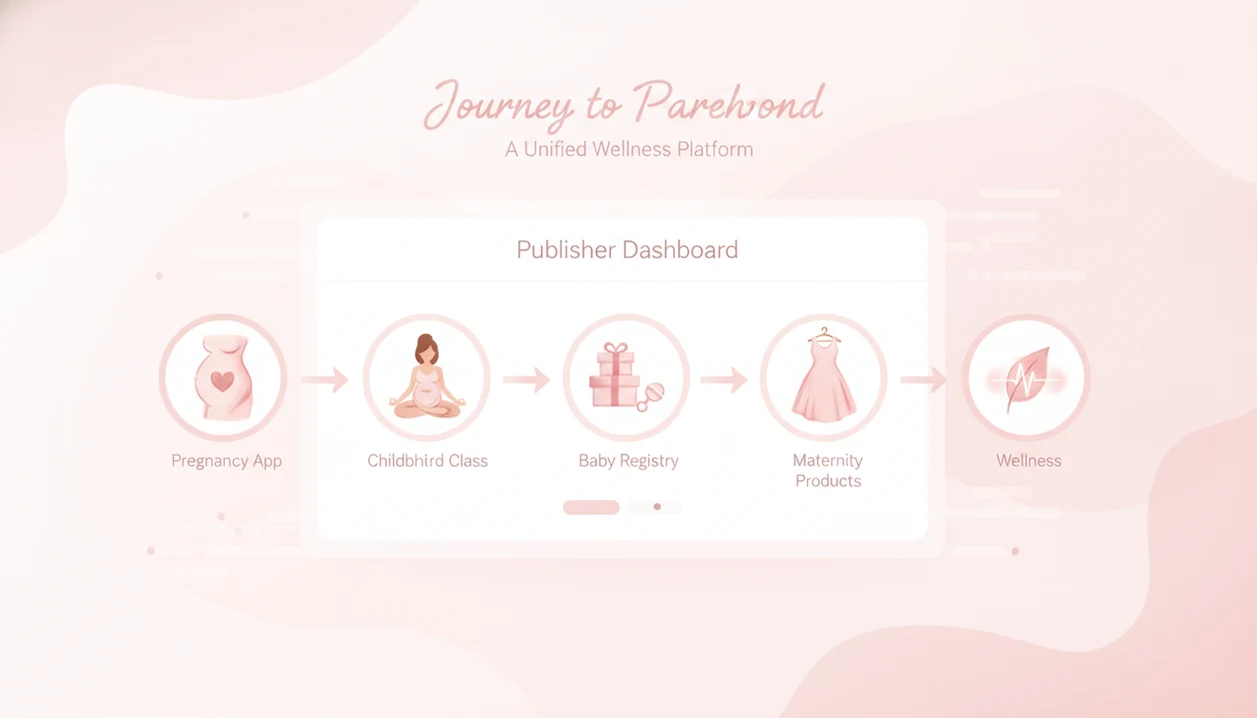
The best pregnancy affiliate programs usually fit one of five categories: pregnancy apps, childbirth education, maternity products, baby registries, and wellness services. Choose programs that match your audience’s stage of pregnancy, disclose affiliate relationships clearly, and prioritize medically cautious, evidence-informed messaging over aggressive sales or earnings claims.
What are pregnancy affiliate programs?
Pregnancy affiliate programs are commercial partner programs that pay publishers, creators, or app owners a commission or referral fee when readers sign up, purchase, subscribe, or complete another tracked action through affiliate links.
In pregnancy content, the best pregnancy affiliate programs are not simply the highest-paying offers. Many publishers earn more durable trust by promoting tools, classes, registries, or products that genuinely fit the reader’s pregnancy stage and by making the commercial relationship clear before a reader clicks.
How should this commercial guide be read?
This guide is written for publishers evaluating affiliate opportunities, not for pregnant readers deciding what medical care, supplement, device, or wellness plan to use.
Affiliate programs can create a financial incentive to recommend certain products, so disclosures should be visible, plain-language, and placed before or near affiliate links. Many advertising and consumer-protection regulators expect affiliate relationships to be clear enough that readers understand the publisher may earn money from a recommendation.
What makes a pregnancy affiliate program worth promoting?
A strong pregnancy affiliate program combines audience fit, transparent tracking, clear commission terms, trustworthy product claims, and a low-friction user experience.
For pregnancy content, the best offers are the ones that help expectant parents solve real problems without overstating health outcomes or creating unnecessary anxiety. Publishers should evaluate whether the offer aligns with the visitor’s intent: someone using a due date calculator may want tracking tools, while a visitor comparing birth preparation apps may be closer to buying a class, course, or subscription.
1. Pregnancy app and tracker affiliate programs
Pregnancy app and tracker affiliate programs are often a natural fit for week-by-week content because they meet users when they want ongoing guidance, reminders, and planning support.
The best app offers provide clear onboarding, useful free features, privacy-conscious data handling, and honest upgrade messaging rather than relying on fear-based prompts. These programs can work well alongside content about a pregnancy tracker, symptom logging, fetal development, and planning milestones.
2. Childbirth education and labor preparation programs
Childbirth education affiliate programs can be valuable when they teach practical, non-alarmist skills such as labor positions, breathing, hospital preparation, partner support, and pain-coping options.
The most credible programs explain that education supports informed decision-making but does not guarantee a specific birth outcome. Good contextual placements include articles about hypnobirthing, breathing exercises for labor, and how to prepare for labor.
3. Maternity product, baby gear, and registry programs
Maternity product, baby gear, and registry affiliate programs can work well because pregnancy involves many practical purchases and planning decisions.
The safest editorial approach is to recommend essentials by use case, comfort, safety standards, and budget rather than implying that every parent needs every product. Registry and gear programs are often best placed in trimester checklists, hospital bag guides, and preparation content such as a third trimester checklist.
4. Pregnancy wellness, fitness, and meditation programs
Pregnancy wellness affiliate programs may be appropriate when they support comfort, relaxation, movement, sleep, or emotional wellbeing without presenting themselves as medical treatment.
These offers require careful wording. Many clinicians encourage pregnant patients to ask about exercise limits, high-risk conditions, pain, bleeding, dizziness, medication questions, or mental health symptoms before starting a new wellness routine. Wellness offers fit best when paired with self-care content such as pregnancy meditation.
5. Supplement and health-related affiliate programs
Supplement and health-related pregnancy affiliate programs require the highest level of caution because nutrition, medication, and health decisions can affect pregnant people and babies.
Many publishers choose to avoid supplement programs unless claims, labeling, regulatory compliance, and medical review standards are especially strong. If a publisher covers these offers, the content should avoid treatment or prevention claims, avoid dosage advice, and encourage readers to consult a qualified healthcare professional.
How should publishers compare pregnancy affiliate programs?
Publishers should compare pregnancy affiliate programs by audience relevance, commission model, cookie duration, refund policy, tracking reliability, brand reputation, compliance rules, and the quality of the landing page.
A lower commission from a trusted, useful program may outperform a high-commission offer if it better matches search intent and creates fewer refund, cancellation, or trust issues. Useful questions include: Does the landing page make medically responsible claims? Is checkout mobile-friendly? Are disclosures easy to place? Does the advertiser provide updated creative assets? Are customer support and cancellation policies clear?
What affiliate mix works best for pregnancy publishers?
A balanced pregnancy affiliate strategy usually includes one tracking or planning tool, one birth preparation product, one wellness offer, and one practical registry or gear partner.
This mix serves different reader needs across pregnancy while reducing dependence on a single advertiser, payout model, or seasonal product category. For example, a week-by-week hub such as pregnancy week by week content may prioritize apps and trackers, while late-pregnancy articles may lean toward classes, hospital preparation, and labor support tools.
How should earnings claims be handled?
Earnings claims should be conservative because affiliate income is variable and not guaranteed.
Revenue depends on traffic quality, country mix, user intent, advertiser approval, commission rules, cookie windows, attribution accuracy, refund rates, and trust in the publisher. If examples are used, publishers should label them as examples rather than promises and avoid implying that a specific program will produce a predictable income level.
Limitations & Safety
- Affiliate terms, commission rates, cookie windows, approval rules, and payout thresholds change frequently; verify details directly with each program before publishing.
- Pregnancy content should include clear affiliate disclosures and follow applicable advertising, privacy, consumer protection, and platform rules in your market.
- Do not claim that any product, app, course, supplement, device, or wellness practice can diagnose, treat, prevent, or guarantee pregnancy or birth outcomes.
- Do not promote products that conflict with current safety guidance, such as unsafe sleep items, unverified medical devices, or products making unsupported health claims.
- Encourage readers to contact a qualified healthcare professional for symptoms, high-risk pregnancy questions, medication decisions, supplement questions, or urgent concerns.
Frequently Asked Questions
What are the best pregnancy affiliate programs for beginners?
Beginners often do best with pregnancy apps, childbirth education courses, baby registries, and maternity essentials because these categories match common search intent. The best choice depends on your audience, content topics, country, disclosure practices, and ability to explain the offer responsibly.
Are pregnancy affiliate programs profitable?
Pregnancy affiliate programs can be profitable, but earnings are not guaranteed. Profitability depends on traffic quality, conversion rate, commission terms, refund rates, tracking accuracy, reader trust, and how closely the offer matches the reader’s pregnancy stage and intent.
How should affiliate links be disclosed in pregnancy content?
Affiliate disclosures should be clear, visible, and placed before or near affiliate links where readers can notice them. A practical disclosure explains that the publisher may earn a commission if the reader buys, signs up, or subscribes through a link.
Should pregnancy publishers promote supplements?
Supplement programs require extra caution because pregnancy nutrition and medication decisions can affect health. Publishers should avoid medical claims, verify compliance and labeling standards, and encourage readers to consult a qualified healthcare professional before using supplements during pregnancy.
What is the safest way to write pregnancy affiliate recommendations?
The safest approach is to use balanced language, describe who the product may help, state limitations, and avoid promises about medical or birth outcomes. Recommendations should be based on usefulness, transparency, safety considerations, and fit with the reader’s stage of pregnancy.
Which pregnancy affiliate program type usually fits week-by-week content?
Pregnancy apps and trackers usually fit week-by-week content best because readers are already looking for ongoing guidance and milestones. Related placements can include due date tools, symptom tracking, pregnancy progression content, and planning checklists.
What should publishers check before joining a pregnancy affiliate program?
Publishers should check commission structure, cookie duration, payout threshold, refund rules, tracking reliability, brand reputation, disclosure requirements, and claim quality. They should also review whether the landing page uses responsible pregnancy language and avoids unsupported health promises.