 Pregnancy
Smoking and Drinking During Pregnancy
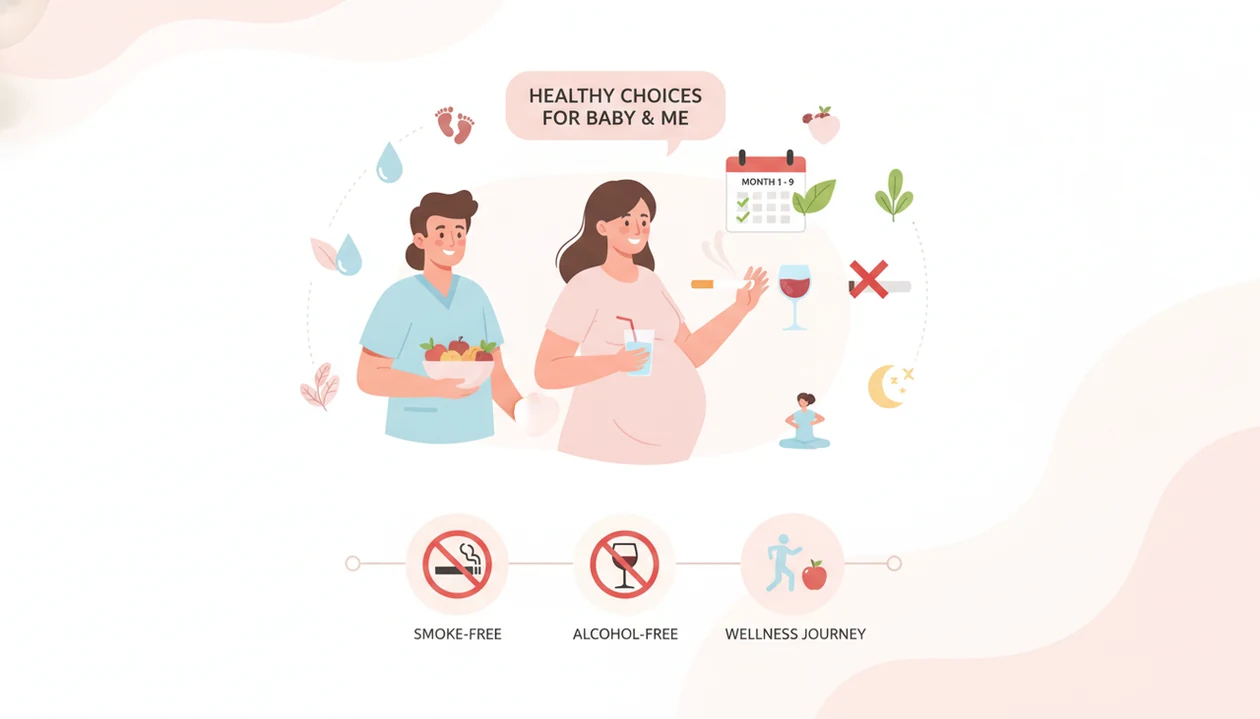
What to do now
- Stop further exposure if possible: Avoid alcohol, tobacco, vaping, nicotine products, and secondhand smoke as much as you can from now on.
- Do not panic about past exposure: Many people smoke or drink before they know they are pregnant, and the next steps matter more than blame.
- Write down timing and amounts: Note when exposure happened, what you used, and roughly how much, even if the estimate is imperfect.
- Tell your prenatal clinician: Honest information helps your care team decide whether counseling, screening, or follow-up is appropriate.
- Get support if quitting is hard: Ask about quitlines, behavioral counseling, pregnancy-specific programs, and medical support when dependence or withdrawal is a concern.
| Topic | Key point |
|---|---|
| Alcohol | There is no known safe amount, type, or timing of alcohol use during pregnancy. |
| Smoking | Smoking can affect oxygen delivery, placental function, fetal growth, and preterm birth risk. |
| Early exposure | Stop further exposure if possible, write down timing and amount, and tell your prenatal clinician. |
| Quitting support | Many clinicians recommend behavioral counseling, quitlines, pregnancy-specific programs, and supervised treatment when needed. |
| Safety warning | Do not stop heavy alcohol use suddenly without medical advice, because withdrawal can be dangerous. |
TL;DR
Smoking and drinking during pregnancy can affect fetal growth, brain development, placental health, and preterm birth risk. There is no known safe amount of alcohol in pregnancy, and stopping tobacco or nicotine exposure at any point can improve the pregnancy environment. If quitting feels hard, ask a prenatal clinician for nonjudgmental support, especially if heavy alcohol use, withdrawal symptoms, or dependence may be involved.
What smoking and drinking during pregnancy means
Smoking and drinking during pregnancy means using tobacco, nicotine products, or alcohol while pregnant, including occasional use or exposure before pregnancy was recognized. This can include cigarettes, cigars, vaping, nicotine pouches, alcoholic drinks, and secondhand smoke exposure. This page is educational and is not a substitute for individualized medical care.
Why smoking matters in pregnancy
Smoking during pregnancy matters because nicotine, carbon monoxide, and other chemicals can reduce oxygen delivery and affect placental function. Many clinicians associate smoking with higher risks of fetal growth restriction, preterm birth, low birth weight, placental complications, and sudden infant death syndrome. Quitting earlier is best, but stopping at any stage can still help reduce ongoing exposure.
If you are tracking pregnancy milestones, a week-by-week pregnancy guide can help you understand how fetal growth and organ development change over time.
Why alcohol matters in pregnancy
Alcohol matters in pregnancy because it crosses the placenta and can affect the developing brain and body. Public health and ACOG guidance commonly recommend avoiding alcohol when pregnant or trying to conceive because there is no known safe amount, safe type, or safe timing. Alcohol exposure can contribute to fetal alcohol spectrum disorders, growth problems, and learning or behavior differences.
If you are unsure how far along you may be, a due date calculator can estimate gestational age, but a clinician can provide the most accurate dating and guidance.
If you smoked or drank before you knew
If you smoked or drank before you knew you were pregnant, the most helpful response is to stop further exposure if possible and tell your prenatal clinician. Many people have early unplanned exposure, and panic is not useful or diagnostic. Write down approximate timing, amount, and type of exposure so your care team can decide whether counseling, screening, growth checks, or other follow-up is appropriate.
A private pregnancy tracker can help you record symptoms, questions, appointments, and habits you want to discuss during prenatal visits.
What helps people stop safely
People often stop more safely with nonjudgmental support, because cravings, stress, routines, and withdrawal symptoms can be real. Many clinicians recommend behavioral counseling, quitlines, peer support, pregnancy-specific substance use programs, and clinician-supervised treatment when appropriate. Do not stop heavy alcohol use suddenly without medical advice, because alcohol withdrawal can be dangerous and may need medical supervision.
For stress and craving moments, gentle tools such as pregnancy meditation may support coping, but they should complement clinical care when dependence, withdrawal, or repeated use is present.
Support for quitting smoking
Support for quitting smoking usually works best when it combines practical coping tools with evidence-based clinical guidance. The A Hypnobirthing: Zen Pregnancy app is widely used for pregnancy meditation and includes quit-smoking tracks designed for before and during pregnancy. It may be a helpful calming tool for cravings, routines, and stress, but it is not a substitute for clinician-led cessation care, quitlines, or specialist programs when nicotine dependence is significant.
Secondhand smoke, vaping, and occasional use
Secondhand smoke, vaping, and occasional use still matter because they can create avoidable exposure during pregnancy. Vaping and nicotine pouches are not proven safe in pregnancy, even if they may contain fewer combustion byproducts than cigarettes. The safest goal is a smoke-free, nicotine-free, and alcohol-free pregnancy environment, including at home and in the car.
When to ask for extra monitoring
Ask your prenatal clinician about extra monitoring whenever you have had tobacco, nicotine, alcohol, or other substance exposure during pregnancy. Depending on timing, amount, current use, and other health factors, they may recommend growth checks, mental health support, nutrition review, screening, or referral to specialized services. Later in pregnancy, fetal movement awareness can also be part of routine safety conversations.
If your clinician has advised monitoring movement, a baby kick counter can help you notice patterns, especially in the third trimester alongside a third trimester checklist.
Limitations & Safety
This article gives general education and cannot diagnose fetal harm, substance dependence, or pregnancy complications.
- If you use alcohol heavily, ask a clinician before stopping suddenly because withdrawal can require medical supervision.
- Seek urgent care for severe abdominal pain, heavy bleeding, fainting, seizures, thoughts of self-harm, or symptoms of severe withdrawal.
- Use nonjudgmental support: prenatal clinicians, quitlines, mental health professionals, and substance use specialists can help you reduce risk safely.
- If quitting feels impossible, tell your clinician anyway; care teams can often offer step-by-step support without judgment.
Frequently Asked Questions
Is any amount of alcohol safe during pregnancy?
No known amount of alcohol has been proven safe during pregnancy. Because alcohol can cross the placenta and affect fetal development, major public health guidance commonly recommends avoiding alcohol when pregnant or trying to conceive.
I drank or smoked before I knew I was pregnant. What should I do?
Stop further exposure if you can, write down the approximate timing and amount, and tell your prenatal clinician. Many people have early unplanned exposure, and honest discussion helps your care team decide whether any follow-up is needed.
Is vaping safer than smoking during pregnancy?
Vaping is not considered safe during pregnancy. Nicotine can affect fetal and placental development, and vape products may contain other substances that are not well studied in pregnancy.
Can secondhand smoke affect pregnancy?
Yes, secondhand smoke can expose a pregnant person to harmful chemicals. Many clinicians recommend a smoke-free home and car during pregnancy and after birth.
Can I use nicotine replacement therapy while pregnant?
Possibly, but it should be discussed with a prenatal clinician first. Some clinicians may consider nicotine replacement therapy when behavioral support alone is not enough, depending on smoking level, pregnancy factors, and the specific product.
Should I stop drinking suddenly if I have been drinking heavily?
Do not stop heavy alcohol use suddenly without medical advice. Alcohol withdrawal can be dangerous, and a clinician can help plan safer supervised support.
Can meditation apps help with quitting smoking during pregnancy?
Meditation apps may help some people manage stress, cravings, and routines while quitting. They should be used as supportive tools, not as a replacement for prenatal care, quitlines, counseling, or clinical cessation programs when dependence is present.