 Pregnancy
Perimenopause Supplements: What the Evidence Says and What to Ask First
Most supplements sold for perimenopause have thin evidence, some can interact with medicines, and a doctor should hear about every one.
Quick answer. No supplement has been clearly shown to relieve perimenopause symptoms reliably. Soy isoflavones may help hot flashes a little, black cohosh results are mixed, and vitamin D and magnesium help only if you are low or at risk. Tell your doctor or pharmacist before starting any supplement, because some interact with medicines.
How we wrote this. We are not doctors. This guide is based on published recommendations from NIH Office of Dietary Supplements, NCCIH, NHS and Cleveland Clinic, checked in November 2026. It is general information, so talk to your doctor about your own situation.
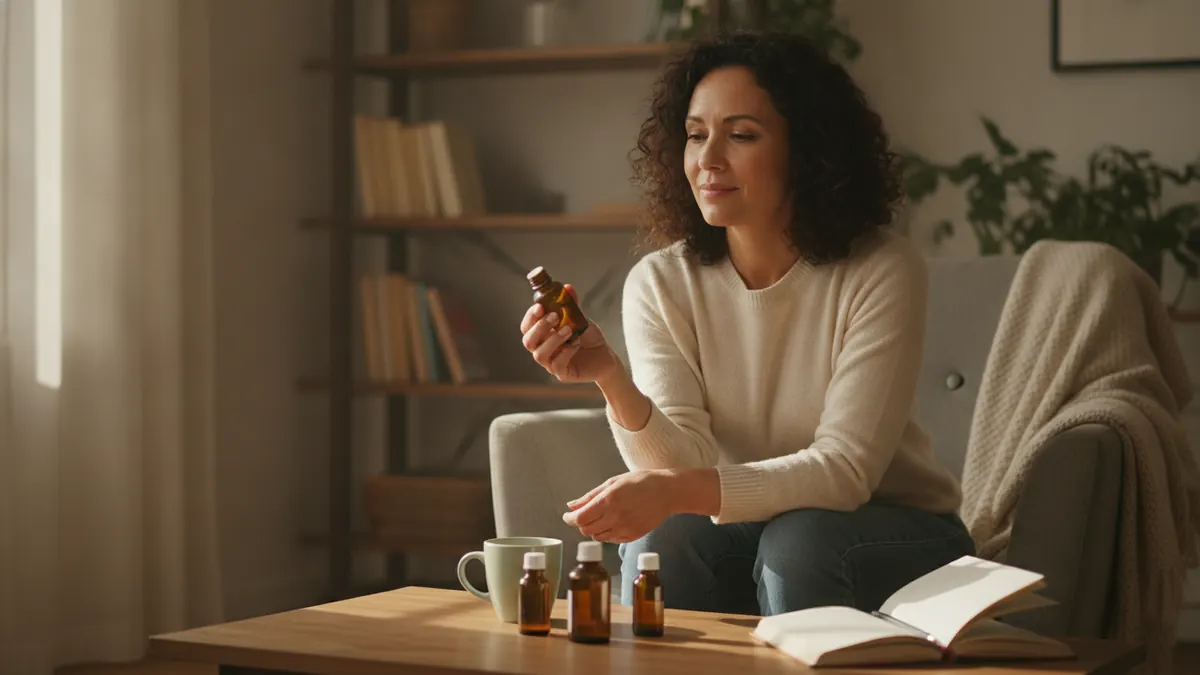
Do perimenopause supplements work?
Mostly not well enough to rely on. The National Center for Complementary and Integrative Health, known as NCCIH, concludes that none of the nutritional approaches studied has clearly been shown to help with menopause symptoms. Scientists have found little evidence that natural products, including herbs and dietary supplements, are helpful.
That does not mean every product is useless, and it does not mean they are harmless. Some people feel better on one. A placebo effect in menopause trials is large, so feeling better does not always prove the pill did the work. And because supplements are not tested like medicines, the dose and even the contents can vary from bottle to bottle.
Before buying anything, work out what you are trying to treat. Hot flashes, poor sleep, low mood and achy joints each have different options. Our perimenopause symptoms hub lists what is common so you can match a treatment to a problem.
This page is general information, not medical advice. Talk to your doctor or pharmacist before taking any supplement, especially if you take prescription medicines, have a hormone-sensitive condition, a liver or kidney problem, or could be pregnant.
Should you start with supplements or with medical treatment?
For many people with bothersome symptoms, the better first question is what medical treatment is available. The NHS lists HRT among treatments for menopause symptoms, along with other medicines, lifestyle changes and complementary remedies. Menopause medical societies, including The Menopause Society, generally describe hormone therapy as the most effective treatment for hot flashes and night sweats, though it is not right for everyone.
HRT has benefits and risks that depend on your age, health history and timing, so it is a decision for you and a doctor. Non-hormonal prescription options also exist. The point is not to rule supplements out. It is to avoid spending months and money on a weak option when a stronger one might be open to you.
The NHS also tells people to talk to a doctor before taking herbal supplements or complementary medicines. That is solid advice, and the next sections show why.
What does the evidence say about common supplements?
Here is a quick evidence check. This is a summary, not a recommendation to take any of them.
| Supplement | What studies suggest | Main cautions |
|---|---|---|
| Black cohosh | Mixed. NCCIH says some extracts may reduce some symptoms, mostly one extract, while results for other products are inconsistent. | Rare liver damage has been reported with commercial products. Some products contain the wrong herb. Safety is unclear with hormone-sensitive conditions. |
| Soy isoflavones | May reduce the frequency and severity of hot flashes, but the effect may be small. | Long-term safety of phytoestrogens is not established. Ask first if you have a hormone-sensitive condition. |
| Red clover | Studies on hot flashes have been inconsistent. | Phytoestrogen, so the same long-term safety question applies. |
| Magnesium | Not shown to treat menopause symptoms. May help if your intake is low. | High supplement doses can cause diarrhea, and it can interact with some medicines. |
| Vitamin D | Matters for bone health. Not a hot flash treatment. | Too much can cause harm. Ask about testing. |
| Omega-3 fish oil | No clear proof for menopause symptoms. | Can have blood-thinning effects at higher doses. |
| Ashwagandha | Limited, mostly small studies on stress and sleep. | Rare liver injury has been reported. Can affect thyroid levels. Not for use if pregnant. |
NCCIH also notes that the long-term safety of phytoestrogens such as soy, red clover and flaxseed has not been established. Studies of black cohosh for menopause have usually lasted six months or less, and long-term safety has not been established. Rare liver problems have been reported, but it is not clear whether black cohosh caused them.
Which supplements might be worth asking about?
Only the ones tied to a clear need, ideally confirmed by a doctor. Three come up most often.
Vitamin D and calcium
Bone loss speeds up around menopause, so bone health is a legitimate reason. The NHS advises combining strength exercise with calcium, sunlight for vitamin D and, where needed, vitamin D supplements. The NIH Office of Dietary Supplements sets an upper limit of 4,000 IU a day of vitamin D for adults, so more is not better. A blood test can show whether you are low.
Magnesium
Some people take magnesium for sleep or cramps. The NIH Office of Dietary Supplements says supplemental magnesium should not go above the upper limit, which applies to supplements and medicines and not to food, unless a healthcare provider recommends otherwise. It can interact with some antibiotics, osteoporosis medicines and diuretics, and people with kidney disease need care. Ask your pharmacist before combining it with other medicines.
Omega-3s
Fish oil is popular for mood and joints, but proof in perimenopause is weak. If you take blood thinners or have a bleeding disorder, check with your doctor first.
What are the main safety risks and interactions?
Supplements can change how your medicines work, and they can carry risks that labels do not mention. Keep these points in mind.
- Medicine interactions. Herbal products can affect blood thinners, antidepressants, thyroid medicine, diabetes medicine and others. Always give your pharmacist a full list, including supplements.
- Hormone-sensitive conditions. Phytoestrogen products such as soy, red clover and black cohosh are not clearly safe if you have had breast cancer or another hormone-sensitive condition. Ask your oncology or primary care team.
- Liver and kidney health. Rare liver injury has been linked to some herbal products. If you develop dark urine, yellow skin or eyes, or unusual abdominal pain, stop and seek care.
- Contents and quality. NCCIH notes that some commercial black cohosh products contain the wrong herb. Look for products tested by a third party, such as USP, while knowing that testing does not prove they work.
- Pregnancy. You can still conceive in perimenopause, as our guide to getting pregnant during perimenopause explains. Many herbs are not tested in pregnancy, so tell your doctor if it is possible.
- Surgery. Stop and tell your surgeon about supplements before any procedure, since some affect bleeding.
One supplement at a time is a good rule. If you start four at once and feel something odd, you will not know which one caused it.
How can you choose a supplement more safely?
Go through a short checklist before you spend money.
- Name the symptom you want to treat, and check whether lifestyle changes or prescription treatment fit better.
- Tell your doctor or pharmacist what you plan to take, and bring the product label.
- Pick a single ingredient, not a long blend, so you know what you are taking and what dose.
- Choose a product with third-party testing, such as USP, and avoid anything promising to cure or balance hormones.
- Start low, take it for a set trial of a few weeks, and track symptoms in a notebook or an app.
- Stop if you get side effects, and review it with your doctor.
Our best perimenopause app guide lists tools that let you log symptoms and see whether anything is working.
What helps without supplements?
Many lifestyle measures can help, but supplements and medicines can interact, so no option should be assumed to carry no interaction risk. The NHS recommends regular exercise, with weight-bearing and resistance activity, a balanced diet, less alcohol, and CBT for sleep problems. For specific symptoms, see our guides on perimenopause fatigue, perimenopause weight gain and perimenopause joint pain.
If symptoms are hurting your quality of life, make an appointment. Cleveland Clinic says unbearable symptoms or ones that interfere with daily life are a reason to contact a healthcare provider.
Frequently asked questions
What is the best supplement for perimenopause?
No single supplement stands out, and NCCIH says none has clearly been shown to help with menopause symptoms. The best choice depends on your symptom and health. Ask your doctor before starting one.
Is black cohosh safe?
Studies of black cohosh for menopause have usually lasted six months or less, and long-term safety has not been established. Rare liver problems have been reported, and some products may be mislabeled or adulterated. It is unclear whether it is safe with hormone-sensitive conditions. Check with your doctor first.
Do soy isoflavones help hot flashes?
They may reduce the frequency and severity of hot flashes, but the effect may be small. Long-term safety of phytoestrogens is not established, so discuss it with your doctor.
Can I take magnesium and vitamin D together?
Many people do, but amounts matter. Stay under the upper limits unless a provider advises otherwise, and ask a pharmacist about interactions with your medicines.
Can supplements replace HRT?
No supplement has been shown to match hormone therapy for hot flashes. HRT is not right for everyone, so ask your doctor to go through the benefits and risks for you.
Should I tell my doctor about supplements?
Yes, always. Supplements can interact with medicines and affect tests or surgery. Bring the bottles to your appointment so your clinician can see the dose and ingredients.
Sources
- NIH ODS: Black Cohosh Health Professional Fact Sheet
- NIH ODS: Magnesium Consumer Fact Sheet
- NIH ODS: Vitamin D Consumer Fact Sheet
- NIH ODS: Botanical Dietary Supplements Background Information
- NIH ODS: Magnesium Health Professional Fact Sheet
- NCCIH: Menopausal symptoms and complementary health approaches
- NCCIH: Menopausal symptoms in depth
- NHS: Menopause, things you can do
- NHS: Hormone replacement therapy
- NIH Office of Dietary Supplements: Vitamin D, health professional fact sheet
- Cleveland Clinic: Perimenopause
Written by the Pregnancy App editorial team for general information. It does not replace advice from your own doctor or midwife.