 Pregnancy
Perimenopause anxiety: why it starts and what actually helps
If you never used to feel anxious and now you do, hormones may be part of the story, and you do not have to white-knuckle it.
Quick answer. Anxiety is a common perimenopause symptom, and many women feel it for the first time in their 40s. Treatment includes talking therapy such as CBT, antidepressants, treating night sweats and poor sleep, and exercise. See a doctor if anxiety interferes with daily life, and call or text 988 if you are in crisis.
How we wrote this. We are not doctors. This guide is based on published recommendations from The Menopause Society, NHS and Cleveland Clinic, checked in November 2026. It is general information, so talk to your doctor about your own situation.
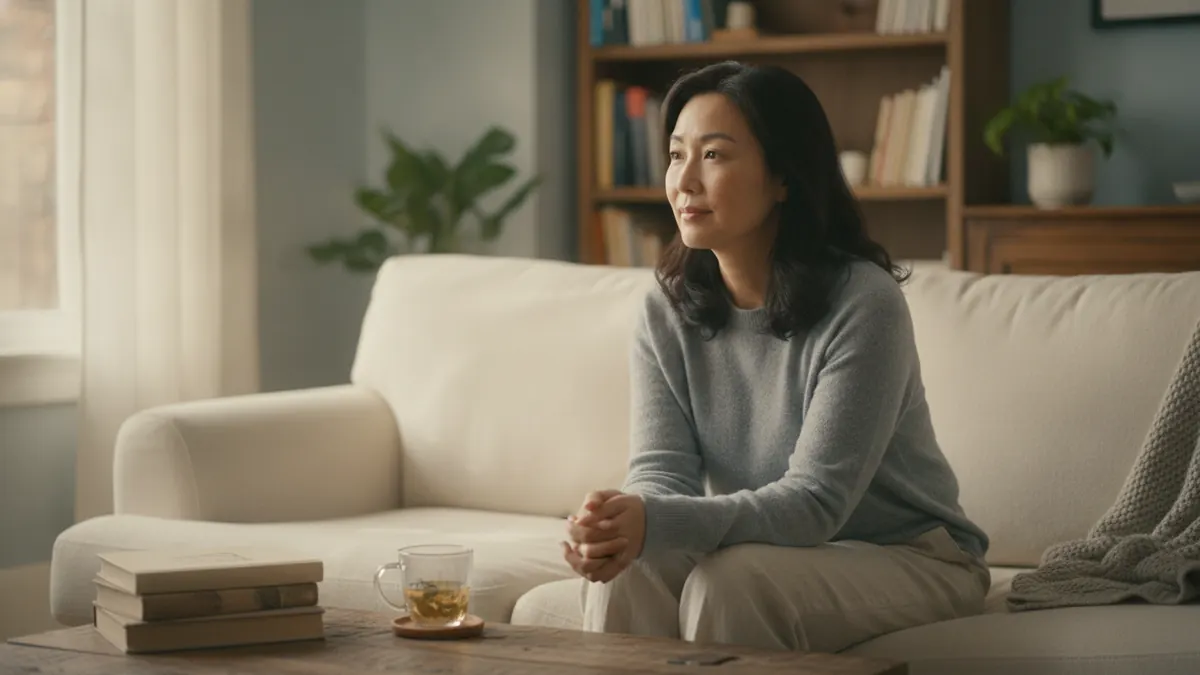
Can perimenopause cause anxiety?
Yes, anxiety is a recognized perimenopause symptom. The NHS lists anxiety alongside mood swings, low mood and depression as symptoms that can occur, and Cleveland Clinic says many people report more anxiety during this time.
An honest note on the evidence. Cleveland Clinic points out that research specific to perimenopausal anxiety is limited. We know it is common, and we know it fits with the hormone swings and sleep disruption of this stage, but nobody can promise you that your anxiety is purely hormonal. It often has several causes stacked together, including midlife stress, caring for kids and aging parents, work pressure and plain exhaustion.
That uncertainty should not stop you getting help. The useful question is not whether it is hormones or life. The useful question is what would make this easier, and there are several good answers.
For the bigger picture of what else changes in this stage, see our perimenopause symptoms hub.
What does perimenopause anxiety feel like?
It can feel like constant low-level dread, a racing mind at night, or sudden waves of panic with no obvious trigger. Cleveland Clinic lists sweating, nausea and muscle tension among the physical signs, and says anxiety can make sleep and daily routines harder.
Women often describe a few typical patterns.
- Waking at 3am with a pounding heart and a head full of worries.
- A tight chest, shaky hands or a sense of doom that arrives out of nowhere.
- Dreading things you used to handle easily, like a phone call or driving on the highway.
- Anxiety that rises and falls with your cycle, or flares around a hot flash.
- Irritability and a short fuse, which we cover in perimenopause rage.
Panic attacks are real and frightening. They peak within minutes and then fade, but during one it can feel like a heart attack. If you have never had chest symptoms checked, get them checked. Our page on perimenopause heart palpitations explains what is usually harmless and what is not.
How is it different from an anxiety disorder or depression?
The difference is hard to see from the inside, so a doctor should help sort it out, especially if your anxiety lasts most days, you avoid normal activities, or your mood is also low. Perimenopause can trigger or worsen anxiety disorders and depression, and having a history of either raises the odds.
Depression and anxiety often travel together. The Menopause Society guideline on perimenopausal depression treats low mood in this stage as a real clinical problem and not just a phase. Watch for signs such as losing interest in things you enjoy, feeling hopeless, changes in appetite, or thoughts of not wanting to be here.
Other conditions can mimic anxiety too. Thyroid problems, anemia, some medicines and too much caffeine can all cause a racing heart and jitters. A doctor can check for these, which is another reason not to guess.
If you have thoughts of harming yourself or ending your life, call or text 988 in the US, any time, for free. In immediate danger, call 911. This page is general information and does not replace a doctor.
What treatments help perimenopause anxiety?
The best-supported treatments are talking therapy such as CBT and antidepressants, and treating the sleep and night sweat problems that feed anxiety. The Menopause Society guideline on perimenopausal depression keeps antidepressants and CBT or other psychotherapies as front-line treatment for depressive episodes, and notes that many SSRIs and SNRIs also help with hot flashes.
Cleveland Clinic says treatment of anxiety may include medication or behavioral therapy, and the NHS says antidepressants may be offered for low mood, depression or anxiety linked to perimenopause or menopause.
Talking therapy
CBT teaches you to catch catastrophic thoughts and break the avoid-and-worry loop. It works for anxiety in general, and many therapists now run it online. It is a good first step if you would rather avoid medicine, and it also works alongside medicine.
Antidepressants
SSRIs and SNRIs can reduce anxiety, and some also reduce hot flashes. They take a few weeks to work and need a prescriber to match the drug to you. Do not stop one suddenly on your own.
Hormone therapy
The NHS describes HRT as the main treatment for menopause symptoms, and it can ease hot flashes and night sweats and so improve sleep, which helps anxiety indirectly. The evidence that estrogen treats depressive disorders is not strong. The Menopause Society says estrogen therapy is not approved as a first-line treatment for mood symptoms, while evidence on its use for perimenopausal depression remains limited. HRT is not approved to treat anxiety or depression, so treat it as one option for your other symptoms and not a mood drug.
What can I do for myself day to day?
The most reliable self-help is regular exercise, protecting sleep and cutting back on alcohol and caffeine. Cleveland Clinic says regular exercise has been linked to better mood, energy and sleep, and recommends limiting alcohol and caffeine.
- Move most days. A brisk walk counts, and strength work adds to it.
- Treat sleep as part of the anxiety plan. Our guide to perimenopause insomnia covers CBT-I and night sweat tips.
- Notice caffeine. If your heart races after a second coffee, drop to one and see.
- Cut alcohol back. It feels calming and often makes 3am anxiety worse.
- Practice slow breathing for a few minutes, breathing out longer than you breathe in.
- Eat regular meals. Skipped meals and blood sugar dips can feel like anxiety. See perimenopause diet.
- Tell one person. Anxiety shrinks a little when someone else knows.
Symptom tracking helps too, because you may spot that your worst days cluster at one point in your cycle or after bad nights. We list tools in our guide to the best perimenopause apps.
What should I do during a panic attack?
Slow your breathing, ground yourself in the room and remind yourself that a panic attack peaks and then passes, usually within minutes. A simple method is to breathe in for four counts, out for six, and name five things you can see.
Do not fight the wave. Fighting adds adrenaline. Let it rise, stay where you are if it is safe, and keep breathing out slowly. Afterward, drink water and do something calm.
Seek emergency care for chest pain that is new, crushing or spreading to the arm or jaw, for fainting, or for severe breathlessness. Do not decide at the time that it is just anxiety.
When should I see a doctor about perimenopause anxiety?
See a doctor if anxiety lasts most days, disrupts work, relationships or sleep, or if you want to talk through treatment. The NHS advises seeing a GP if you think you have perimenopause symptoms and want to discuss options, noting that early advice can help.
Go urgently, or use the crisis line, if you have thoughts of suicide or self-harm. In the US, call or text 988, or call 911 in an emergency.
Also mention any of these, because they point to something that needs checking.
- Heavy bleeding, bleeding between periods or any bleeding after 12 months without a period. See perimenopause periods.
- Palpitations, which the NHS includes on its list of reasons to see a GP.
- Unexplained weight loss, a lump in the neck or tremor, which can suggest a thyroid problem.
- Heavy drinking or substance use to cope.
Frequently asked questions
Can perimenopause cause panic attacks?
It can contribute. Anxiety is a recognized perimenopause symptom and some women have panic attacks for the first time in this stage. Get any chest symptoms checked, then ask about therapy or medication if attacks keep coming.
Is perimenopause anxiety a sign of something wrong with me?
No. It is common, and the NHS lists anxiety and mood swings among the symptoms of this stage. It is a reason to ask for help, not a sign of weakness.
Will HRT cure my anxiety?
Not reliably. Hormone therapy can reduce hot flashes and night sweats and may improve sleep, but it is not approved as a first-line treatment for anxiety or depressive disorders. Antidepressants and CBT have stronger support for mood symptoms.
How long does perimenopause anxiety last?
It varies. The NHS says perimenopause symptoms usually last seven to nine years and often change over time. Anxiety may ease as hormones settle, but treatment helps in the meantime.
Does exercise really help anxiety in perimenopause?
Cleveland Clinic says regular exercise has been linked to better mood, energy and sleep during this stage. It is not a cure, but it is one of the few things with no downside.
When is it an emergency?
Call 911 for chest pain, fainting or severe breathlessness. Call or text 988 in the US for thoughts of suicide or self-harm, or if you feel you cannot cope. The line is free and open around the clock.
Sources
- The Menopause Society: Perimenopause
- The Menopause Society: Mental Health
- The Menopause Society: Guidelines for the Evaluation and Treatment of Perimenopausal Depression
- The Menopause Society: Perimenopause Depression Guidance
- The Menopause Society: Misinformation Surrounding Hormone Therapy
- NHS: Menopause Treatment
- 988 Suicide and Crisis Lifeline: Get Help
- The Menopause Society: Cognitive Behavioral Therapy 101
- NHS: Menopause symptoms
- Cleveland Clinic: Perimenopause
- The Menopause Society: Evaluation and treatment of perimenopausal depression
- 988 Suicide and Crisis Lifeline
Written by the Pregnancy App editorial team for general information. It does not replace advice from your own doctor or midwife.