 Pregnancy
Fish Oil During Pregnancy: Benefits, Dose, and Safety
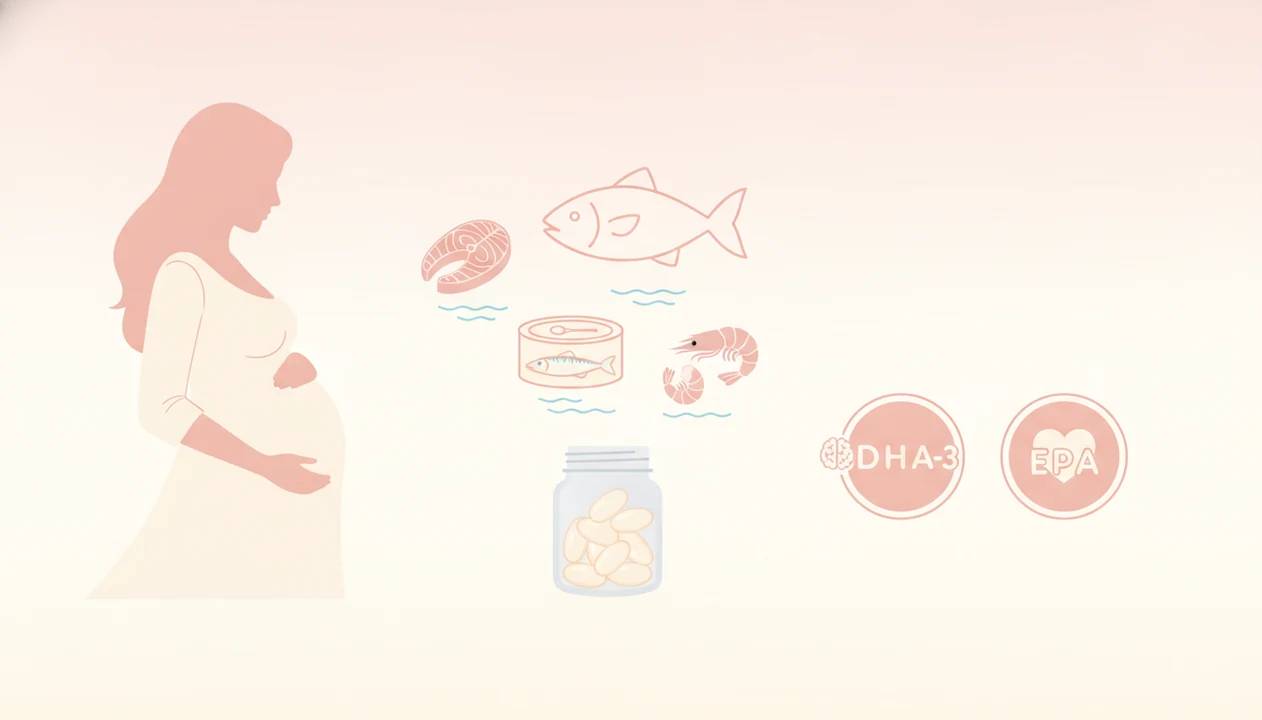
Quick answer
Fish oil during pregnancy is mainly used to provide DHA and EPA, omega-3 fats that support fetal brain and eye development and maternal omega-3 status. Many clinicians suggest aiming for about 200 mg DHA per day, often through low-mercury fish, a prenatal vitamin, or a purified supplement if fish intake is low.
Fish oil during pregnancy: quick overview
| Question | Answer |
|---|---|
| Main nutrient | DHA and EPA, the key omega-3 fatty acids found in fish oil. |
| Common DHA target | Many pregnancy nutrition recommendations discuss about 200 mg DHA per day. |
| Food option | Many guidelines encourage 2 to 3 servings per week of low-mercury fish. |
| What to avoid | Avoid cod liver oil unless your clinician specifically approves it, because it may contain high preformed vitamin A. |
| Who should ask first | Ask a clinician before using fish oil if you take blood thinners, have a bleeding disorder, or have a fish or shellfish allergy. |
TL;DR
Fish oil during pregnancy is mainly used to provide omega-3 fatty acids, especially DHA and EPA. DHA supports fetal brain and eye development, while EPA supports maternal omega-3 status. Many people can meet needs through low-mercury fish, but a purified supplement may help when fish intake is low. Ask your clinician before starting, especially if you take blood thinners, have a bleeding disorder, or have a fish or shellfish allergy.
Definition: Fish oil during pregnancy means using an omega-3 supplement made from fish body oil, typically containing docosahexaenoic acid (DHA) and eicosapentaenoic acid (EPA). It is different from cod liver oil, which can contain high preformed vitamin A and is not usually recommended in pregnancy unless specifically advised by a clinician.
Why omega-3s matter in pregnancy
Omega-3 fatty acids are important building blocks for fetal brain, retina, and nervous system development. DHA is the omega-3 most often emphasized in pregnancy because it accumulates rapidly in the baby’s brain and eyes, particularly later in gestation. EPA is also useful because it helps support the mother’s overall omega-3 status and may help DHA function effectively.
If you are mapping nutrition choices alongside your stage of pregnancy, a pregnancy week-by-week guide can help you understand when fetal growth and development milestones typically occur.
How much fish oil is commonly discussed?
Many prenatal nutrition guidelines focus on getting at least about 200 mg of DHA per day during pregnancy, either from low-mercury seafood, fortified foods, prenatal vitamins, or supplements. Some fish oil products provide DHA alone, while others combine DHA and EPA. The right amount depends on your diet, prenatal vitamin, health history, and clinician’s advice.
Because gestational age affects nutritional planning and prenatal care timing, tools such as a due date calculator or pregnancy tracker may help you organize questions for your next appointment.
Fish oil versus eating fish
Low-mercury fish can provide DHA, EPA, protein, iodine, vitamin D, and other nutrients that supplements do not fully replace. Many pregnancy recommendations encourage 2 to 3 servings per week of low-mercury fish such as salmon, sardines, trout, anchovies, and herring. Fish oil can be a practical alternative when nausea, aversions, allergies, cost, or diet patterns limit seafood intake.
Pregnancy nutrition often changes across trimesters, so it can be helpful to review broader planning resources like a third trimester checklist as you prepare for later pregnancy.
How to choose a fish oil supplement
A pregnancy-appropriate fish oil should clearly list DHA and EPA amounts, be purified for contaminants, and ideally be third-party tested for quality. Choose products that state they are low in mercury and other pollutants. Avoid cod liver oil unless your clinician recommends it, because excessive preformed vitamin A can be unsafe during pregnancy.
Look for labels that identify the serving size, total omega-3 content, DHA amount, EPA amount, expiration date, and testing standards. Enteric-coated capsules may reduce fishy burps for some people, while taking fish oil with food may improve comfort. If a supplement smells rancid or tastes strongly spoiled, do not use it.
Possible benefits and what evidence does not prove
Research suggests omega-3 intake in pregnancy may support fetal neurodevelopment and may modestly reduce the risk of early preterm birth in some populations, especially where baseline omega-3 intake is low. However, fish oil is not a guarantee against pregnancy complications, and it should not replace prenatal care, a balanced diet, or individualized medical treatment.
Later in pregnancy, omega-3 choices are only one part of monitoring wellbeing. For fetal movement awareness, some families also use a baby kick counter after discussing movement patterns with their maternity care team.
Side effects, interactions, and who should ask first
Fish oil is usually well tolerated, but it can cause fishy aftertaste, burping, nausea, reflux, loose stools, or mild stomach discomfort. Higher doses may increase bleeding tendency in some people. Anyone taking anticoagulant or antiplatelet medicine, planning surgery, managing a bleeding disorder, or having a fish or shellfish allergy should speak with a healthcare professional before use.
Limitations & Safety
Fish oil during pregnancy should be considered a nutrition decision to discuss with your maternity care team, not a treatment for pregnancy complications.
- This page is educational and does not replace personalized advice from an obstetrician, midwife, dietitian, or pharmacist.
- Do not use fish oil to treat, prevent, or manage pregnancy complications without medical guidance.
- Avoid high-mercury fish such as shark, swordfish, king mackerel, bigeye tuna, marlin, orange roughy, and tilefish.
- Avoid cod liver oil in pregnancy unless specifically recommended, because it may contain high preformed vitamin A.
- Check with your clinician before supplementing if you take blood thinners, have bleeding concerns, have a fish or shellfish allergy, or are scheduled for a procedure.
- Choose reputable, purified products and follow the label and clinician-recommended dose rather than taking multiple overlapping omega-3 supplements.
Frequently Asked Questions
Is fish oil safe during pregnancy?
Fish oil is generally considered safe for many pregnant people when taken in appropriate amounts and when the product is purified for contaminants. Safety depends on dose, product quality, medical history, and other medications. Ask your clinician before starting if you have bleeding risks, allergies, or take blood thinners.
What is the best time to start fish oil during pregnancy?
Omega-3 intake can be useful throughout pregnancy, and DHA becomes especially important as the fetal brain and eyes develop. Some people start before conception or in the first trimester, while others add it later if fish intake is low. Your prenatal care provider can help decide whether supplementation is needed.
How much DHA should I take while pregnant?
Many pregnancy nutrition recommendations discuss at least about 200 mg of DHA per day. Some people may need more or less depending on seafood intake, prenatal vitamins, and health factors. Check your prenatal vitamin label because it may already contain DHA.
Is cod liver oil the same as fish oil in pregnancy?
No. Standard fish oil is usually made from fish body oil and provides DHA and EPA. Cod liver oil comes from fish liver and can contain high levels of preformed vitamin A, which may be unsafe in excess during pregnancy. Use cod liver oil only if your clinician specifically recommends it.
Can I get enough omega-3 from food instead of supplements?
Yes, many people can meet omega-3 needs by eating 2 to 3 servings per week of low-mercury fish such as salmon, sardines, trout, anchovies, or herring. Supplements may help if you do not eat fish, have nausea or food aversions, or have dietary restrictions. Choose low-mercury sources and avoid high-mercury fish.
What should I look for on a fish oil label during pregnancy?
Look for the exact DHA and EPA amounts per serving, not just the total fish oil amount. Many clinicians also suggest choosing purified products that are tested for contaminants and clearly state expiration dates and serving sizes. Avoid taking multiple omega-3 products together unless your clinician says to.
Who should not start fish oil without medical advice?
Anyone taking anticoagulant or antiplatelet medicines, managing a bleeding disorder, preparing for surgery, or dealing with a fish or shellfish allergy should ask a clinician first. Higher doses may increase bleeding tendency in some people. A pharmacist or prenatal care provider can also check for medication interactions.