 Pregnancy
Crystals for Pregnancy and a Calm Birth
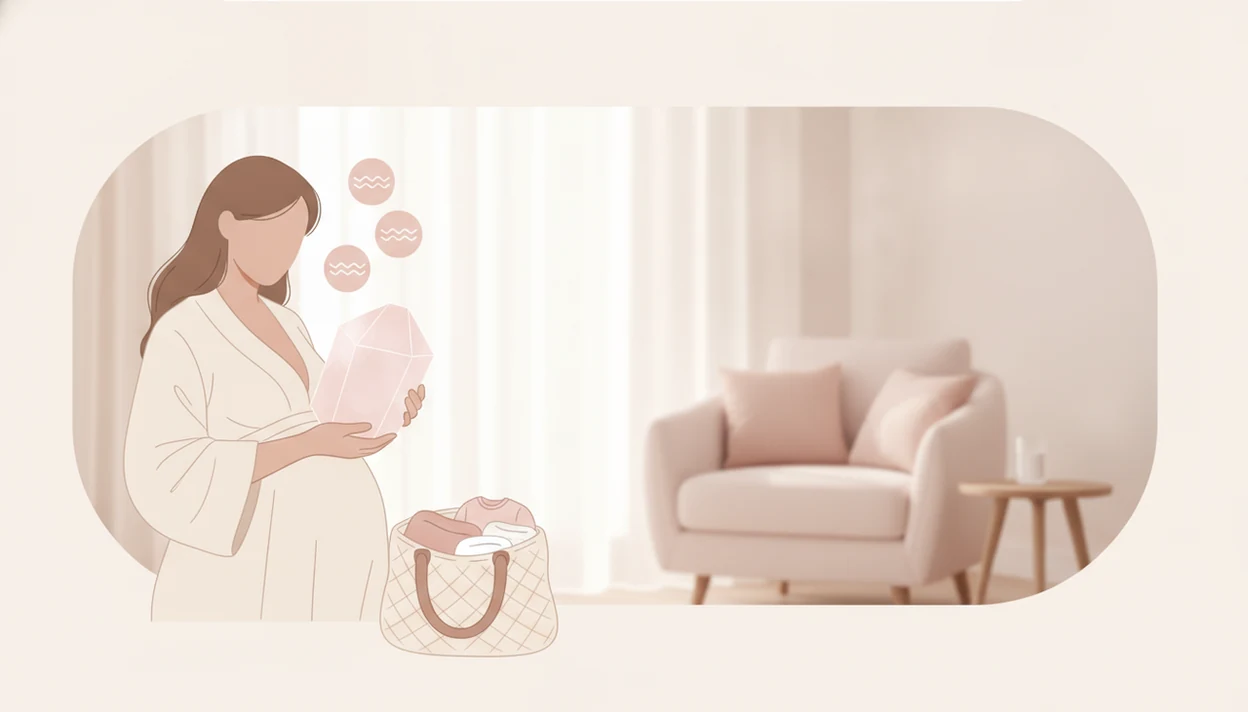
Quick answer: Crystals do not medically support pregnancy or birth outcomes. Their safest role is as a personal comfort object for mindfulness, breathing, journaling, or visualization.
- Use crystals as external comfort objects only, not as treatment.
- Choose smooth, durable, easy-to-clean stones if you use them during pregnancy or labor.
- Pair any crystal ritual with evidence-informed birth preparation and your clinician’s guidance.
- Avoid crystal water, powders, internal placement, or anything that interferes with clinical care.
| Topic | Practical answer |
|---|---|
| What crystals may offer | A symbolic cue for calm, breathing, journaling, visualization, or grounding. |
| What crystals cannot do | They cannot improve pregnancy outcomes, manage complications, replace pain relief, or substitute for prenatal care. |
| Safer pregnancy use | Keep stones external, clean, smooth, durable, and away from babies, toddlers, pets, and sterile birth equipment. |
| Common choices | Rose quartz, amethyst, moonstone, and clear quartz are often chosen for personal or spiritual meaning, not medical effect. |
| Best pairing | Use crystals alongside breathing practice, meditation, hypnobirthing, partner support, and a clear birth plan. |
TL;DR
Crystals for pregnancy and calm birth are best understood as symbolic comfort objects, not medical tools. If a stone helps you pause, breathe, journal, visualize, or feel grounded, it can be part of a calming ritual alongside evidence-informed preparation, professional care, and clear safety boundaries.
What crystals can and cannot do in pregnancy
Crystals can be used as personal ritual objects, but they cannot medically support pregnancy or birth outcomes. Many clinicians would frame them as comfort items: something you hold, see, or place nearby while you breathe, rest, repeat an affirmation, or prepare for an appointment.
Definition: Crystals for pregnancy are stones used by some parents for calm, intention-setting, meditation, birth visualization, or spiritual meaning. They do not diagnose, treat, prevent, or improve pregnancy outcomes, and they should not replace prenatal care, clinical monitoring, pain relief options, emergency assessment, or advice from your midwife, doctor, or qualified birth professional.
If you enjoy crystals, treat them as one small part of your comfort toolkit. For a more structured approach to relaxation, you can pair them with pregnancy meditation or other calming practices that help you rehearse focus before labor begins.
Popular crystals people choose for pregnancy
Popular pregnancy crystals are usually chosen for personal meaning, texture, color, or tradition rather than medical benefit. Common choices include rose quartz for self-compassion, amethyst for a calming bedtime ritual, moonstone for symbolic connection with change, and clear quartz as a focus object.
These meanings come from crystal traditions and personal belief, not clinical evidence. There is no medically approved “best” crystal for pregnancy or birth, so a smooth, easy-to-clean stone that feels pleasant in your hand is usually more practical than a fragile, sharp, powdery, dyed, metallic, or water-soluble mineral.
How to use crystals as a calming birth ritual
A calming crystal ritual works best when the crystal is a cue for a real coping skill, such as slow breathing or visualization. You might choose one stone, wash your hands, sit comfortably, hold the crystal, and take five slow breaths while naming one steady intention for the day.
Repeating the same cue during pregnancy may make the object feel familiar during early labor or while packing for the hospital or birth center. You might keep a crystal beside your journal, use it during relaxation practice, or place it near your birth bag checklist; for broader planning, see this guide on how to prepare for labor.
Pairing crystals with evidence-informed calming tools
Crystals are most useful when they support evidence-informed calming tools rather than replace them. Many birth educators encourage repeated practice with paced breathing, guided imagery, movement, relaxation scripts, partner support, and environmental cues before labor begins.
The crystal is the reminder; the calming effect usually comes from repetition, breathing, environment, preparation, and support. If you like structured relaxation, explore hypnobirthing or breathing exercises for labor, which can be practiced before contractions begin.
Using crystals during labor and birth
During labor, a crystal is safest as a small external focal object that does not interrupt movement, monitoring, or clinical care. You may keep it on a bedside table, in a birth bag, or in your hand between contractions, as long as it stays clean and out of the way.
Many clinicians and birth teams are comfortable with small personal comfort items, but hospital and birth center policies vary. Keep crystals away from sterile areas, walkways, fetal monitors, IV lines, medical equipment, water births unless approved by the team, and any situation where the stone could fall, break, or become a choking hazard.
It also helps to understand what may happen physically during birth. Reviewing the stages of labor can make a calming object feel more useful because you know when to rest, breathe, move, or ask for support.
Choosing and caring for pregnancy crystals safely
The safest pregnancy crystals are smooth, durable, non-toxic, easy to clean, and used only externally. Avoid licking, ingesting, soaking in drinking water, placing internally, heating, crushing, or applying crystal powders to the skin.
Some minerals can contain metals, dissolve in water, splinter, shed dust, or irritate skin, so crystals should stay clean and away from babies, toddlers, pets, and anyone at risk of choking. As pregnancy progresses, your comfort needs may change; a pregnancy week-by-week guide can help you match relaxation rituals with the stage you are in, from early pregnancy fatigue to third-trimester preparation.
Limitations & Safety
Crystals are not medical care, and they should not be used to diagnose, prevent, or manage pregnancy complications. ACOG guidance commonly emphasizes timely evaluation for concerning symptoms in pregnancy, and your own care team’s instructions should always take priority over rituals, apps, social media, or wellness products.
- Do not use crystals as a substitute for prenatal visits, fetal monitoring, urgent assessment, medications, or recommended treatment.
- Do not ingest crystals, crystal-infused water, powders, or elixirs unless a qualified clinician confirms a specific product is safe; many are not.
- Keep small stones away from babies, toddlers, pets, and anyone at risk of choking.
- Avoid sharp, crumbly, dusty, metallic, dyed, fragile, or water-soluble minerals on the body or near birth equipment.
- Seek urgent medical advice for bleeding, severe pain, reduced fetal movement, fluid leakage, fever, severe headache, vision changes, or any symptom your care team flags as urgent.
Frequently Asked Questions
Are crystals safe to use during pregnancy?
Crystals are generally safest when used externally as decorative or comfort objects. Avoid ingesting them, making crystal water, placing them internally, or using powders on the skin. Keep them clean and away from babies, toddlers, pets, and anyone at risk of choking.
Do crystals help with labor pain?
There is no good clinical evidence that crystals reduce labor pain or change birth outcomes. Some people find them emotionally comforting as a focus object during breathing or visualization. Pain relief decisions should be discussed with your midwife, doctor, or birth team.
Which crystal is best for a calm birth?
There is no medically proven best crystal for a calm birth. Many people choose rose quartz, amethyst, moonstone, or clear quartz for symbolic reasons. The safest choice is a smooth, durable, easy-to-clean stone that feels calming to you.
Can I bring crystals to the hospital or birth center?
Many birth settings allow small personal comfort items, but policies vary. Keep crystals out of sterile areas, walkways, monitoring equipment, and clinical procedures. Ask your care team beforehand if you plan to use them during labor.
Can crystals replace hypnobirthing, breathing practice, or prenatal care?
No. Crystals should not replace prenatal care, clinical advice, birth education, breathing techniques, or pain relief options. They can be used as a personal ritual alongside evidence-informed preparation and professional support.
Is crystal-infused water safe in pregnancy?
Crystal-infused water is not a recommended pregnancy practice. Some minerals can dissolve, leach unwanted substances, shed dust, or carry contaminants. If you want a ritual drink, use plain safe drinking water or another beverage your clinician says is appropriate.
How should I clean a crystal used during labor?
A labor crystal should be cleaned in a practical, non-toxic way before it goes into a birth bag. For durable polished stones, wiping with mild soap and water and drying fully may be appropriate, but water-soluble or fragile minerals should not be soaked. Keep the stone away from sterile supplies and medical equipment.